
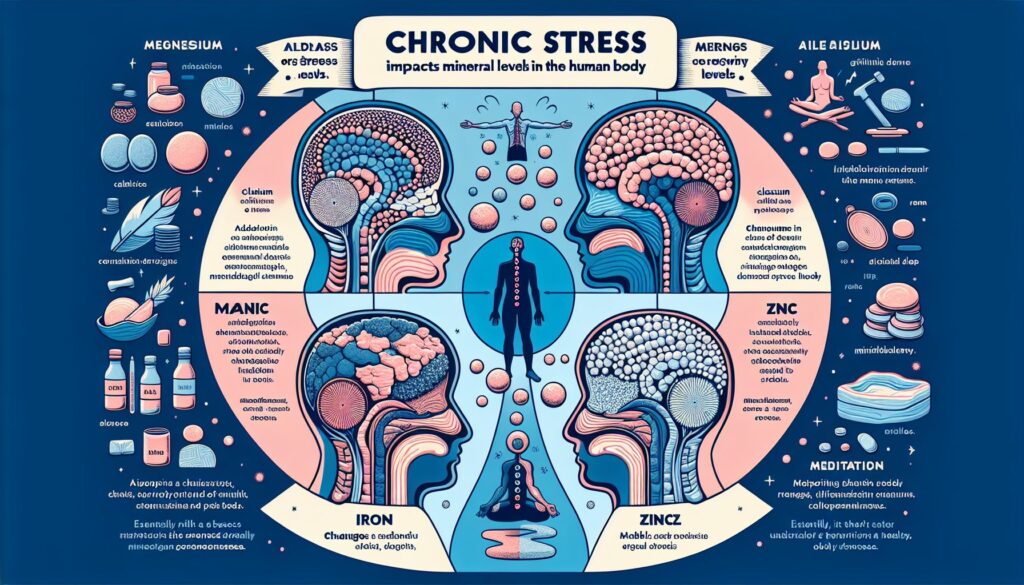
Chronic stress is a common issue. It affects both mental and physical health. But did you know it also impacts mineral levels in your body? Minerals are essential. They are vital for well-being. Here, we explore how stress disturbs these minerals and how you can recover.
Understanding Mineral Depletion Due to Stress
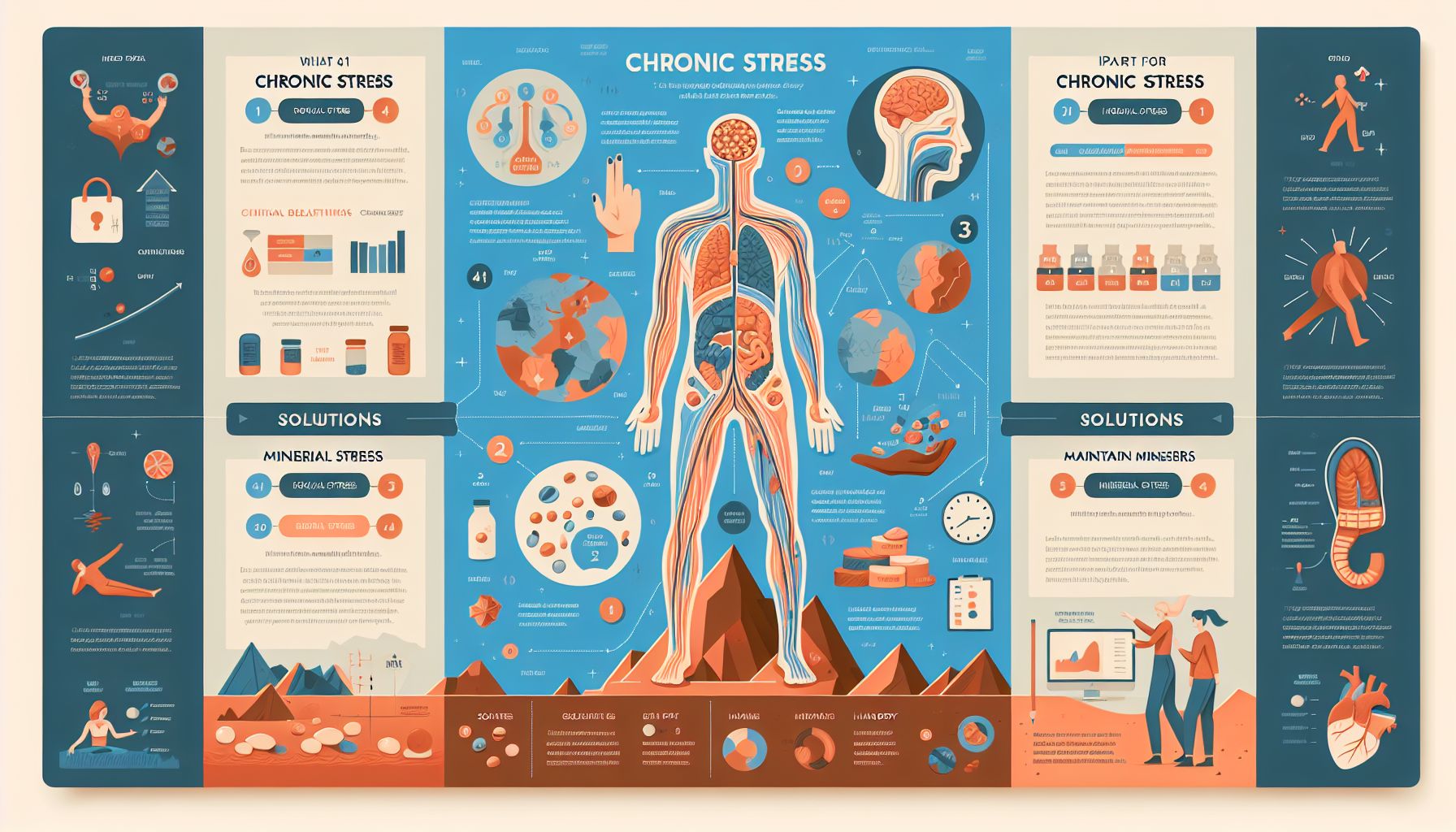
Chronic stress acts as a constant pressure on the body. The body stays in a heightened state. It uses more energy and nutrients. This increases the need for minerals. Stress reduces the body’s ability to absorb minerals. It results in deficiencies.
1. Magnesium Reduction
Stress decreases magnesium levels. Magnesium is crucial. It helps ease muscle tension. It supports heart health. Under stress, the body requires more magnesium. It uses it to regulate stress hormones.
Magnesium deficiency can cause fatigue and insomnia. It can lead to muscle cramps and anxiety. Low magnesium affects heart rhythm.
- Recovery Suggestion: Consume magnesium-rich foods. These include almonds, spinach, and yogurt. Consider magnesium supplements. Ensure to consult a healthcare provider first.
2. Calcium Loss
Calcium is necessary for bone health. It aids nerve transmission and muscle function. Stress increases calcium loss through urine. This happens as the body tries to cope with stress.
Calcium depletion can weaken bones. It may lead to osteoporosis in severe cases.
- Recovery Suggestion: Include calcium-rich foods in your diet. Milk, cheese, and leafy greens are good choices. Vitamin D enhances calcium absorption. Get sunlight exposure or take vitamin D supplements.
3. Zinc Depletion
Zinc supports the immune system. It helps in cell growth and division. Stress depletes zinc levels. It reduces the body’s ability to ward off illnesses.
Low zinc levels can result in impaired immune function. It can lead to slow wound healing and taste changes.
- Recovery Suggestion: Eat foods high in zinc. These include beef, shellfish, and legumes. Zinc supplements can help but consult a doctor before use.
4. Potassium Imbalance
Potassium regulates fluid balance. It helps in nerve signaling and muscle contractions. Stress affects potassium levels. An imbalance can occur, impacting bodily functions.
A lack of potassium can cause muscle weakness and cramps. It can lead to irregular heartbeats and fatigue.
- Recovery Suggestion: Consume potassium-rich foods. Bananas, oranges, and avocados are excellent choices. Maintain proper hydration to support potassium balance.
Strategies to Restore Mineral Balance
Restoring mineral balance is essential for health. Here are practical ways to achieve this:
Balanced Diet
A balanced diet is crucial. Include a wide range of foods. Focus on fruits, vegetables, whole grains, and lean proteins. This provides essential nutrients, including minerals.
Stress Management
Manage stress effectively. Practice relaxation techniques. Meditation, deep breathing, and yoga can help. These activities reduce stress levels and promote overall well-being.
Regular Exercise
Exercise helps reduce stress. It boosts mood and energy levels. Physical activity supports nutrient absorption. Aim for 30 minutes a day of moderate exercise.
Adequate Sleep
Sleep is vital for recovery. It helps regulate stress hormones. Ensure you get 7-9 hours of sleep each night. Good sleep habits boost immune function and mood.
Conclusion
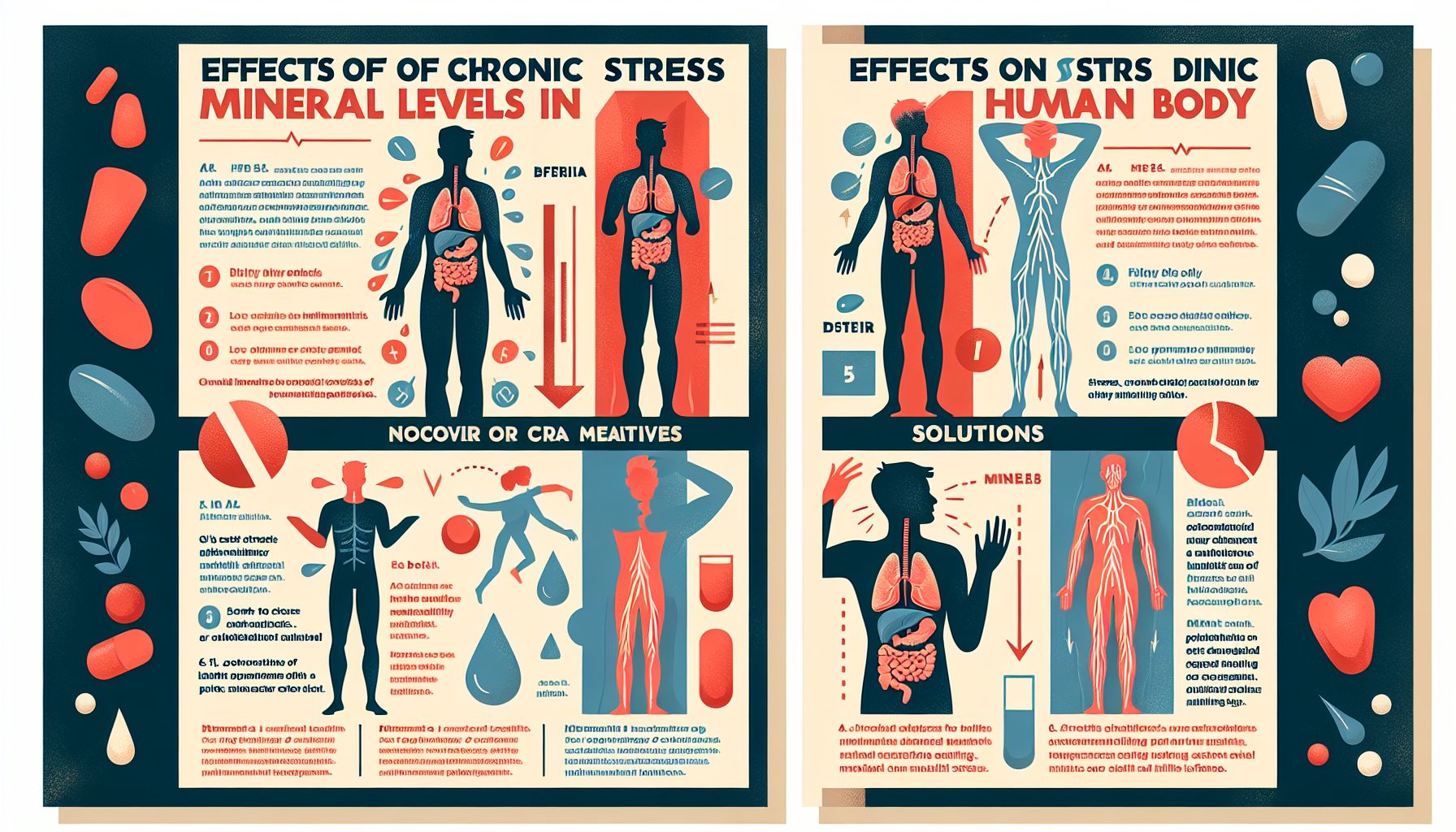
Chronic stress affects mineral levels in your body. It leads to deficiencies in magnesium, calcium, zinc, and potassium. Address these issues through diet and lifestyle changes. A balanced diet, stress management, regular exercise, and adequate sleep can help restore mineral balance. By taking action, you can improve your health and well-being.