
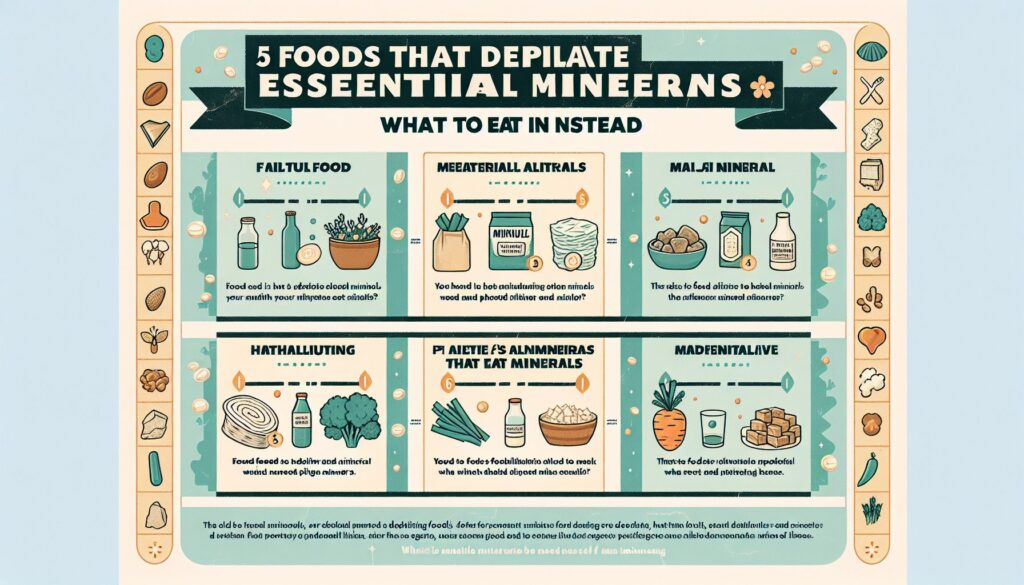
Maintaining a well-balanced diet is crucial to keep your body functioning optimally. However, certain foods can actually deplete essential minerals that are vital for health. Understanding which foods contribute to this depletion and what alternatives can nourish you is important for optimal well-being. Here’s a guide to five common foods that deplete essential minerals and suggest some healthier alternatives.
Processed Foods
Processed foods like fast meals, chips, and pre-packaged snacks are often convenient. However, they tend to contain high levels of sodium, sugar, and unhealthy fats. These ingredients can disrupt the body’s mineral balance, leading to deficiencies in calcium, magnesium, and potassium.
What to Eat Instead
Opt for whole foods like fruits, vegetables, nuts, and seeds. Try incorporating fresh produce such as apples, carrots, walnuts, and sunflower seeds into your diet. These foods provide essential nutrients and have high mineral content, supporting your body’s needs.
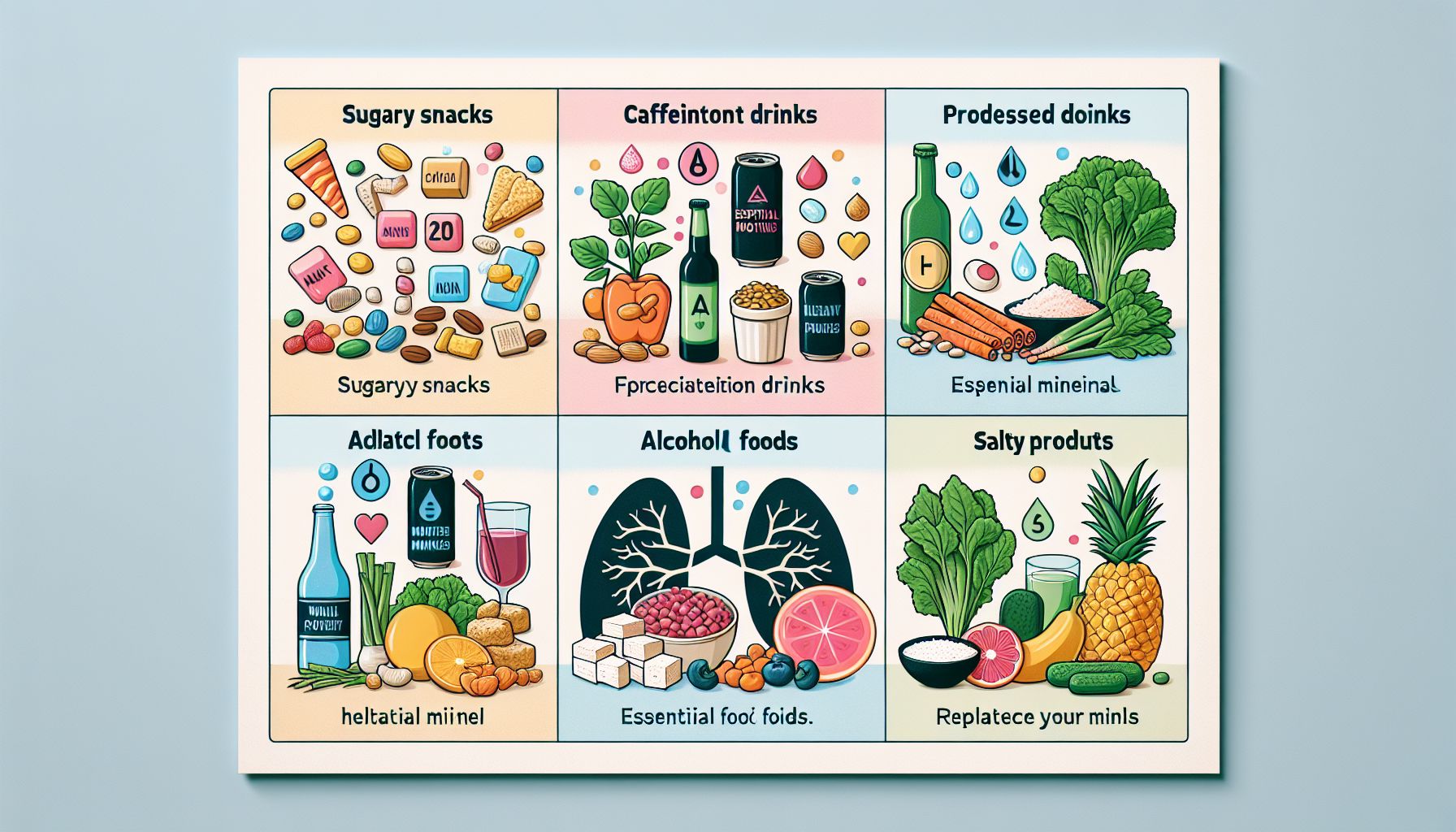
Soft Drinks
Soft drinks are loaded with sugar and phosphoric acid. Consumed regularly, they can interfere with the body’s ability to absorb crucial minerals like magnesium and calcium. Phosphoric acid binds with calcium and magnesium in the digestive tract, reducing their levels in the body.
What to Drink Instead
Replace soft drinks with healthier options. Water, herbal teas, and fresh fruit juices are excellent alternatives. Consider preparing lemon water or green tea, which not only quench thirst but also provide antioxidants and support mineral absorption.
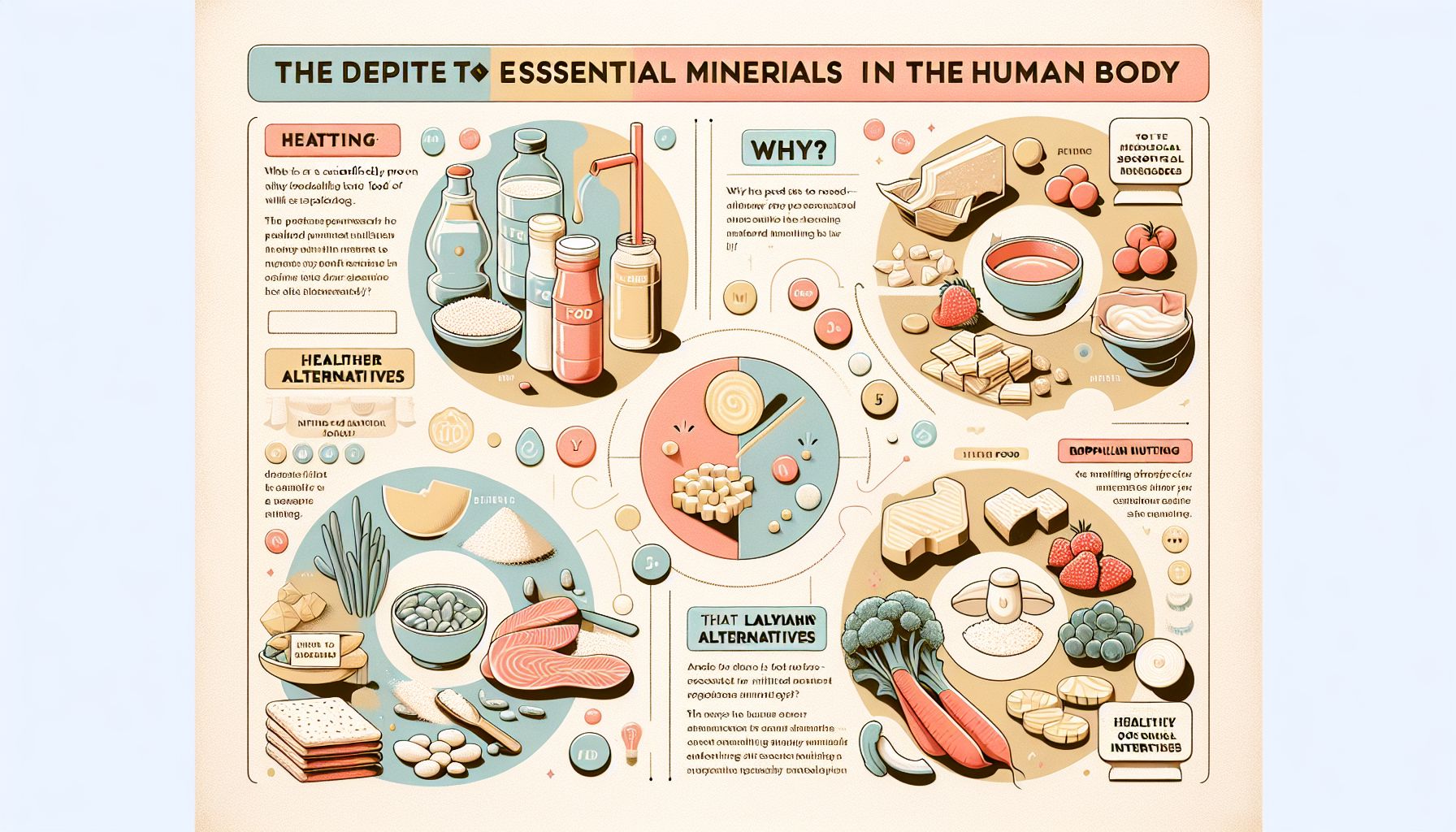
Refined Grains
Refined grains, such as white bread, white rice, and pasta, have their bran and germ removed. This process strips away essential nutrients and minerals like magnesium, iron, and zinc. Additionally, consuming refined grains can lead to oxidative stress, further depleting minerals.
What to Eat Instead
Choose whole grains over refined grains. Foods like brown rice, whole wheat bread, and quinoa are rich in essential minerals and fiber, aiding digestion and mineral retention. Incorporate oatmeal, millet, and barley into your meals for a nutrient boost.
Alcohol
Excessive alcohol consumption can decrease the body’s levels of crucial minerals, especially zinc and magnesium. Alcohol acts as a diuretic, increasing mineral loss through urine. It also impacts the liver, impairing the storage and metabolism of minerals.
What to Drink Instead
Limit alcohol intake and consider alternatives that are kinder to your mineral stores. Herbal teas and kombucha can be delightful substitutes. Both offer beneficial properties that enhance digestion and support your body’s mineral balance.
High-Sugar Foods
Foods high in sugar, including candies, pastries, and desserts, can disrupt mineral balance by causing spikes in blood sugar levels. Over time, this can lead to insulin resistance, hampering the absorption of minerals like chromium, magnesium, and zinc.
What to Eat Instead
Satisfy your sweet tooth with natural sugar alternatives. Berries, such as blueberries and strawberries, are sweet options that also provide antioxidants and essential minerals. Consider using honey or maple syrup sparingly for sweetness without compromising mineral levels.
Benefits of Mineral-Rich Foods
Adopting a diet that includes mineral-rich foods offers several health benefits. It improves bone health, supports a strong immune system, enhances nerve function, and promotes cardiovascular health. Ensuring adequate mineral intake can reduce the risk of chronic diseases and support overall well-being.
Common Mineral Deficiencies and Their Effects
Mineral deficiencies can manifest in various ways, depending on which mineral is lacking. Calcium deficiency, for instance, can lead to weakened bones and increase the risk of fractures. Magnesium deficiency may cause muscle cramps, fatigue, and irregular heart rhythms. Zinc deficiency can affect immune function and wound healing.
Practical Tips for a Mineral-Friendly Diet
- Read Labels: Check the ingredients in packaged foods to identify additives and avoid excessive sodium and sugars.
- Diversify Your Meals: Include a variety of foods to ensure you receive all necessary minerals.
- Cook at Home: Prepare meals at home using whole, fresh ingredients instead of relying on processed foods.
- Stay Hydrated: Drink plenty of water to facilitate digestion and nutrient absorption.
- Consult a Professional: If you suspect a mineral deficiency, seek advice from a healthcare provider or nutritionist.
Conclusion
By understanding which foods deplete essential minerals and making informed choices, you can enhance your diet and support your health. Focus on whole, nutrient-dense foods and minimize the consumption of processed, sugary, and refined items. With these adjustments, you can optimize your well-being and maintain mineral balance for overall health.