
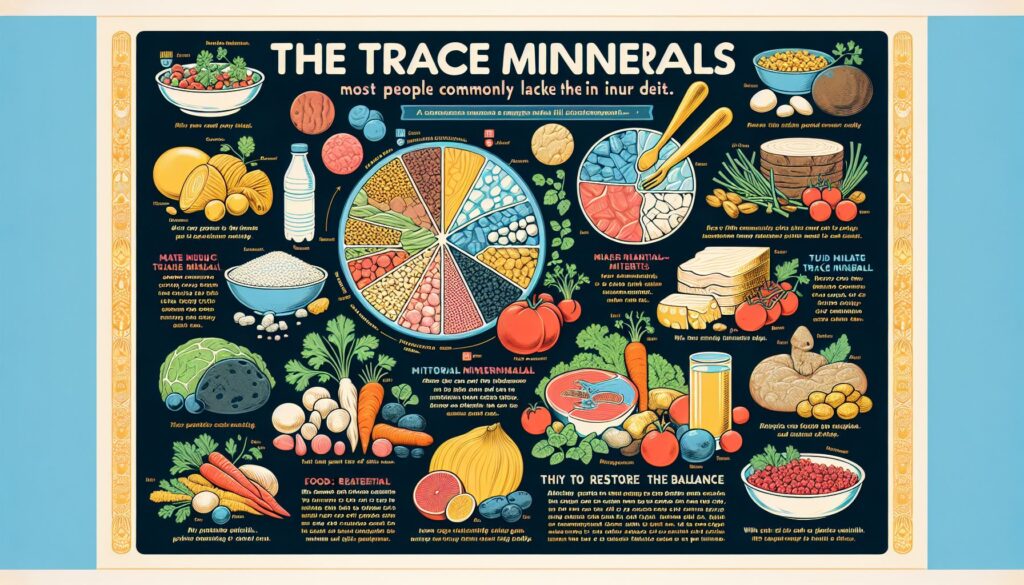
Trace minerals are essential nutrients that the body requires in small amounts to function correctly. Many individuals unknowingly lack these valuable minerals. In this article, we will examine seven trace minerals most commonly missing from diets and how you can restore balance naturally.
1. Zinc
Zinc plays a significant role in immune function, wound healing, and protein synthesis. A lack of zinc can lead to weakened immunity and skin-related issues.
Sources of Zinc
Foods rich in zinc include meat, shellfish, legumes, nuts, seeds, and dairy. Consuming a varied diet will typically provide sufficient zinc.
Restoring Balance
Integrate zinc-rich foods into your meals. Opt for a handful of pumpkin seeds as a snack or add lentils to your salads.
2. Iron
Iron is critical for producing hemoglobin, which carries oxygen in the blood. Deficiency in iron can result in anemia, causing fatigue and weakness.
Sources of Iron
Iron-rich foods include red meat, poultry, seafood, beans, and fortified cereals. Vegetarians can focus on consuming more beans and lentils to meet their iron needs.
Restoring Balance
Include dietary sources of iron in your daily meals. Enhance iron absorption by pairing these foods with vitamin C-rich options like oranges or bell peppers.
3. Iodine
Iodine is essential for thyroid function and hormone regulation. A deficiency may result in thyroid gland issues, causing a condition called goiter.
Sources of Iodine
The best dietary sources include seaweed, fish, dairy, and iodized salt. Vegetarians can incorporate seaweed and dairy for iodine intake.
Restoring Balance
Cooking with iodized salt is the simplest way to ensure adequate iodine intake. Adding seaweed to your diet as a seasoning can also help.
4. Selenium
Selenium supports immune system function and maintains metabolism balance. A lack of selenium can weaken immunity and increase disease risk.
Sources of Selenium
Brazil nuts are the richest source, followed by fish, poultry, and eggs. Including a few Brazil nuts daily can meet your selenium needs.
Restoring Balance
Consume Brazil nuts or fish regularly. Just 2-3 Brazil nuts a day are often enough to achieve sufficient selenium intake.
5. Copper
Copper aids in forming red blood cells, maintaining nerve cells, and supporting the immune system. Deficiency in copper can result in anemia and bone abnormalities.
Sources of Copper
Foods high in copper include shellfish, seeds and nuts, organ meats, and whole grains. By adding nuts and seeds to your diet, you can maintain good copper levels.
Restoring Balance
Integrate nuts and seeds into your meals as snacks or toppings. Choosing whole grain options also supports copper intake.
6. Manganese
Manganese is vital for fat and carbohydrate metabolism, calcium absorption, and blood sugar regulation. Deficiency can affect bone health and glucose tolerance.
Sources of Manganese
Whole grains, nuts, leafy vegetables, and tea are excellent manganese sources. Including these in your diet helps prevent deficiency.
Restoring Balance
Drink tea regularly and replace refined grains with whole grains. Add leafy greens to salads for enhanced manganese intake.
7. Chromium
Chromium enhances the action of insulin, crucial for metabolism and blood sugar regulation. Lack of chromium may lead to impaired glucose tolerance.
Sources of Chromium
You can find chromium in broccoli, potatoes, whole grains, and lean meats. Incorporating these foods ensures proper chromium intake.
Restoring Balance
Consume more vegetables like broccoli and whole grains. Adding meats like chicken or turkey can also enhance chromium levels.
Conclusion
Maintaining a well-balanced diet can help prevent deficiencies in these critical trace minerals. By mindfully integrating specific foods into your meals, you can safeguard your health and enhance your well-being. Prioritize variety in your diet to ensure you obtain all the necessary nutrients. Avoid processed foods, and instead, focus on consuming fresh, whole foods. This approach helps restore balance and keeps your body functioning optimally.