
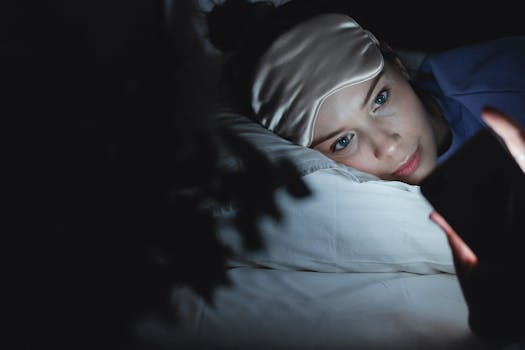
Screens have become part of almost every hour of the day. Phones, tablets, laptops, televisions, and even smartwatches fill the average adult’s routine with a constant stream of images and notifications. While this level of connectivity has clear advantages, researchers are now paying close attention to how it affects sleep. What they’re finding is that digital screen exposure, especially in the evening, reshapes sleep patterns in subtle but meaningful ways.
The Impact of Blue Light on the Body’s Internal Clock
Digital screens emit a concentrated form of blue-wavelength light. During the day, blue light helps the brain stay alert and oriented. The challenge arises when this same light floods the brain at night. Blue light suppresses melatonin, the hormone responsible for telling the body it’s time to wind down. When melatonin release is delayed, the brain interprets the environment as “daytime,” even if it’s late in the evening.
This mismatch interferes with the circadian rhythm, the internal system that governs sleep timing, mood, hormone cycles, and metabolic activity. Adults exposed to bright screens before bed often report difficulty falling asleep, reduced sleep quality, and shorter overall sleep duration. Researchers have even observed shifts in core body temperature and alertness patterns linked directly to nighttime light exposure.
Why Evening Screen Habits Matter More Than Daytime Use
Daytime screen use certainly contributes to mental fatigue, but nighttime exposure has the strongest influence on sleep. Many people unwind with digital entertainment, check their phones repeatedly before bed, or read e-books on a backlit device. Even brief exposure can delay melatonin release. The effect is stronger when screen time is combined with mentally engaging activities like social media scrolling, video streaming, or late-night work.
The brain does not simply receive light; it processes narrative, emotion, and stimulation from whatever is on the screen. This keeps neural activity elevated when it should be settling down. Over time, this pattern trains the body to expect wakefulness during hours when it should be preparing for rest.
The Rise of “Revenge Bedtime Procrastination”
Researchers have identified a modern behavior called “revenge bedtime procrastination,” where adults delay sleep intentionally to reclaim personal time at the end of a busy day. Screens play a central role in this habit, providing instant entertainment or distraction. While it may feel satisfying in the moment, the long-term consequences are measurable. Lack of sleep disrupts hormone balance, slows cognitive performance, and heightens stress reactivity. It also affects digestive rhythms, blood sugar regulation, and mood stability the next day.
Adults often underestimate how much these small delays accumulate. A single hour lost each night becomes a noticeable deficit within a week, and chronic sleep restriction has been linked to increased inflammation and weakened immune response.
How Screen Time Alters Brain Activity Before Sleep
Even without intense content, screen exposure keeps the brain in a state of heightened readiness. Rapid image refresh rates, constant micro-movements on the display, and the expectation of notifications prevent the brain from settling into a calm, pre-sleep pattern.
Studies using EEG tracking have shown that adults who use screens before bed take longer to enter deep sleep stages. Deep sleep is where memory consolidation, tissue repair, and immune regulation take place. When deep sleep is reduced or delayed, the entire restorative process becomes less efficient.
The Psychological Pull of Digital Devices
Screens are designed to encourage repeated engagement. Apps, algorithms, and streaming platforms promote continuous use, often without the user realizing how much time has passed. This creates a psychological loop that reinforces nighttime stimulation. When the mind becomes absorbed, the natural cues of fatigue are ignored.
The combination of emotional engagement, bright light, and constant novelty forms a pattern that is difficult to interrupt once established. This isn’t a matter of weak willpower; it’s a neurological response shaped by design.
Why This Research Matters for Long-Term Well-Being
Sleep influences nearly every system in the body. When nighttime patterns shift because of digital habits, the effects ripple into metabolic, cognitive, and emotional health. Researchers now view screen-related sleep disruption as a significant contributor to chronic fatigue, mood instability, and reduced daytime performance.
The encouraging part is that small adjustments make a meaningful difference. Even a slight reduction in nighttime screen exposure can help restore natural melatonin cycles and improve sleep quality. Many adults find that their energy, concentration, and overall mood improve within days of making simple changes.
Digital devices are not going away, and researchers aren’t suggesting we eliminate screens entirely. Instead, the goal is awareness. When people understand how their evening screen habits affect their internal clock, they can make informed choices that support better long-term rest.