
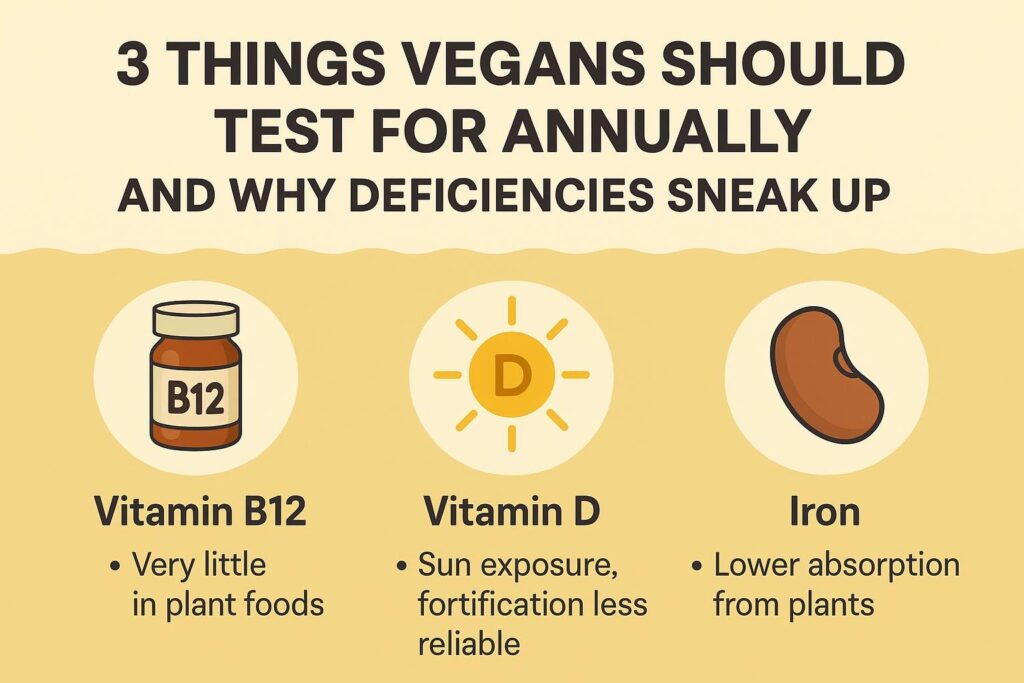
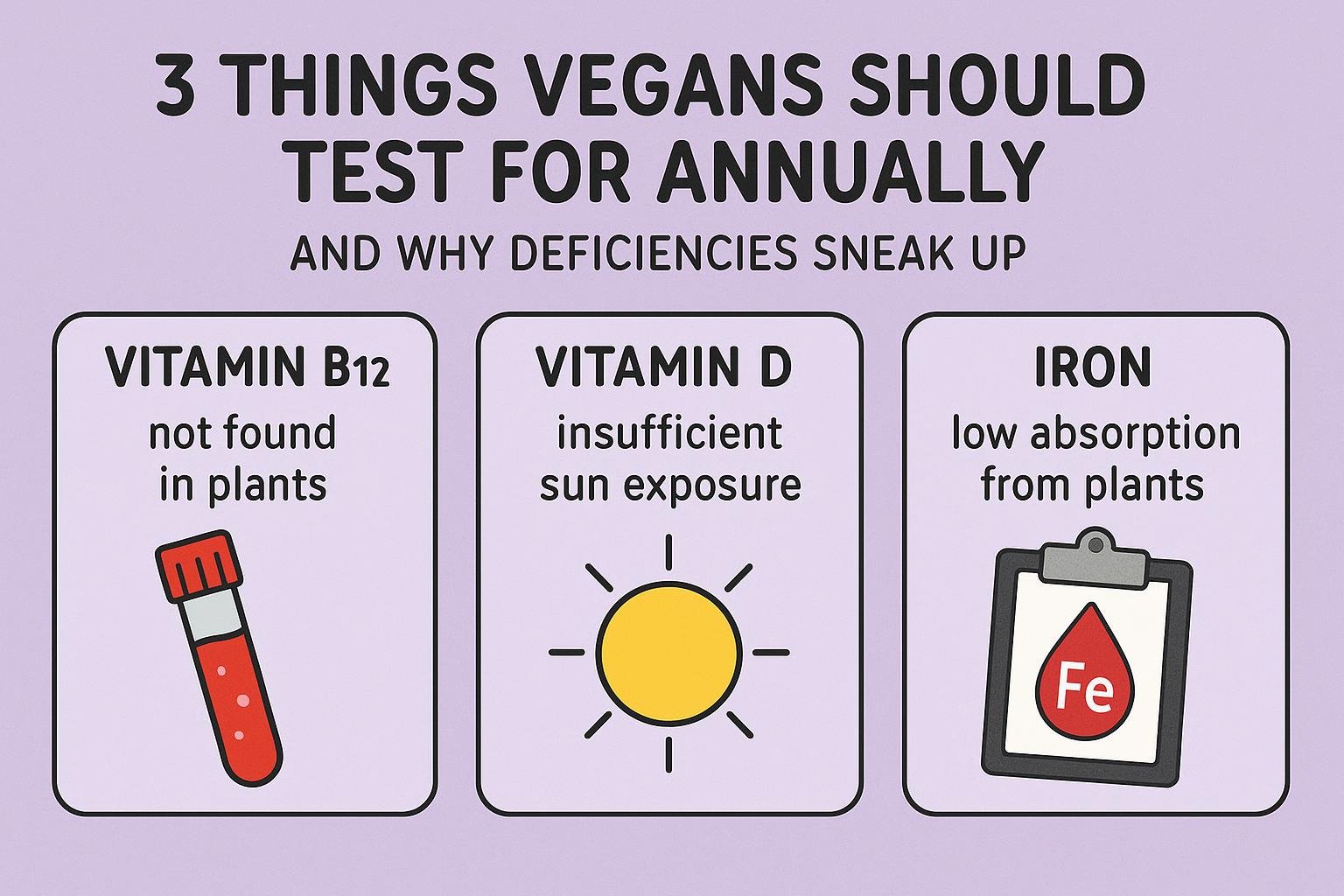
Veganism is a healthy and ethical lifestyle choice for many people around the world. However, even with a diet full of plants, grains, and nuts, vegans may still face nutritional deficiencies. In this article, we will discuss three critical nutrients that vegans should test for annually. We will also explore why vitamin and mineral deficiencies sneak up, even for conscientious vegans.
1. Vitamin B12: Crucial for Nerve and Blood Health
Vitamin B12 is essential for nerve function and the production of red blood cells. Deficiency in B12 can lead to fatigue, nerve damage, and anemia. It can also cause mood disturbances like depression or paranoia. Unlike many vitamins, B12 is not found in plant-based foods naturally, which poses a challenge for vegans.
Why Deficiency Sneaks Up:
B12 is stored in the liver for several years. This fact means that deficiency could take a long time to manifest after switching to a vegan diet. Symptoms can be subtle, like feeling more tired than usual, and can be easily attributed to other causes like stress.
What to Do:
Vegans should test their B12 levels annually. If levels are low, a B12 supplement or fortified foods like plant milk and nutritional yeast can help. Consistent monitoring is essential because symptoms can take a significant time to reverse.
2. Iron: Vital for Oxygen Transport
Iron is an essential mineral the body needs to make hemoglobin, a component of red blood cells that transports oxygen. Iron deficiency leads to anemia, causing fatigue and shortness of breath. While plant-based iron sources do exist, they are non-heme irons, less easily absorbed compared to heme iron from animal sources.
Why Deficiency Sneaks Up:
The absorption rate of non-heme iron is lower. Factors such as the presence of calcium, polyphenols, and other materials in the diet can further reduce absorption. Often, vegans may not realize they are not getting adequate iron, as initial symptoms might be easy to dismiss.
What to Do:
Annual testing of ferritin levels, a protein that stores iron, is advisable. Iron supplements or eating vitamin C-rich foods, which enhance absorption, along with iron-rich foods such as lentils, quinoa, and spinach, can help improve iron levels.
3. Omega-3 Fatty Acids: Essential for Brain and Heart Health
Omega-3 fatty acids, particularly EPA and DHA, are vital for brain and heart health. Though plant sources provide ALA, an omega-3 type, the body poorly converts ALA to the essential EPA and DHA forms.
Why Deficiency Sneaks Up:
The symptoms of omega-3 deficiency are less obvious compared to other nutrients. Vegans might not readily notice signs like skin dryness, mood swings, or joint discomfort. Fish is a common source of DHA and EPA, but since fish is not part of a vegan diet, reaching adequate levels can be challenging.
What to Do:
Vegans can opt for DHA and EPA supplements derived from algae. Annual testing of omega-3 index helps monitor levels. Including foods rich in ALA, like flaxseeds, chia seeds, and walnuts, can be a beneficial dietary practice.
General Tips for Vegans
Monitor Nutrient Levels
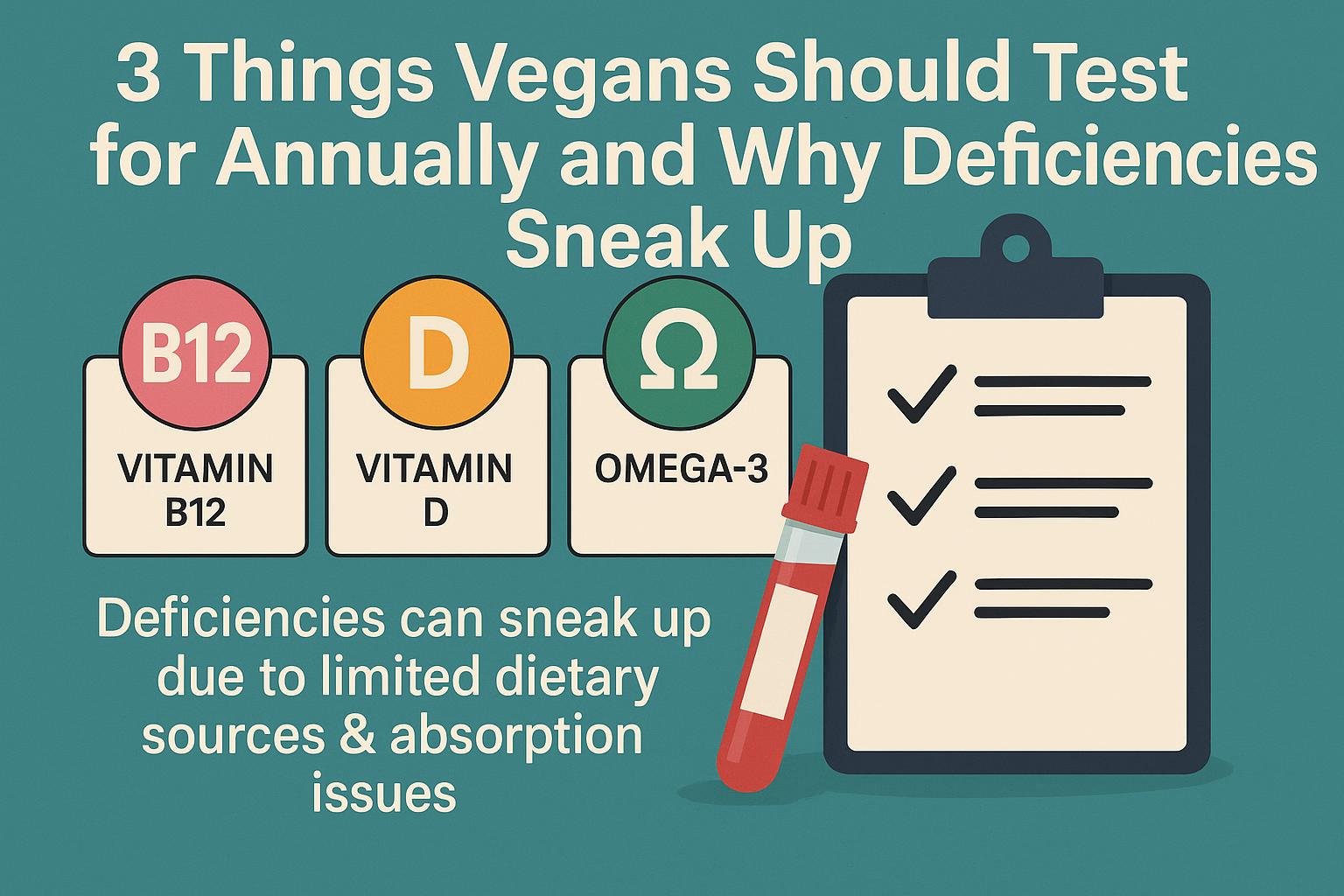
Annual blood work is more than just a recommendation. It is a critical part of maintaining your health. Major nutrients that should be checked include Vitamin B12, iron, and omega-3 fatty acids, among others like vitamin D, calcium, and iodine.
Diversify Food Choices
Include a variety of fruits, vegetables, grains, nuts, and seeds in your diet. The diversity helps to cover a broad spectrum of nutrients your body needs to function optimally.
Use Fortified Foods
Many plant-based foods today come fortified with B12, calcium, and vitamin D. Select fortified plant milks, cereals, and nutritional yeast to help meet daily needs.
Consider Supplementation
Sometimes, food alone cannot cover all nutrient needs, especially for vitamins like B12. Supplements can bridge this gap effectively and safely when taken at recommended doses.
Pay Attention to Your Body
Listen to your body for any unexplained fatigue, hair loss, dizziness, or mood changes. These can be subtle indicators of a deficiency.
Conclusion
While a vegan diet can contribute to a healthier, more sustainable lifestyle, it requires careful planning and monitoring. Essential nutrients like Vitamin B12, iron, and omega-3 fatty acids are challenging to obtain in adequate amounts solely through a vegan diet. Regular testing, nutritious food choices, and smart supplementation are vital strategies to maintain optimal health. Be proactive, pay attention to your nutritional needs, and enjoy the benefits of a balanced vegan lifestyle.