
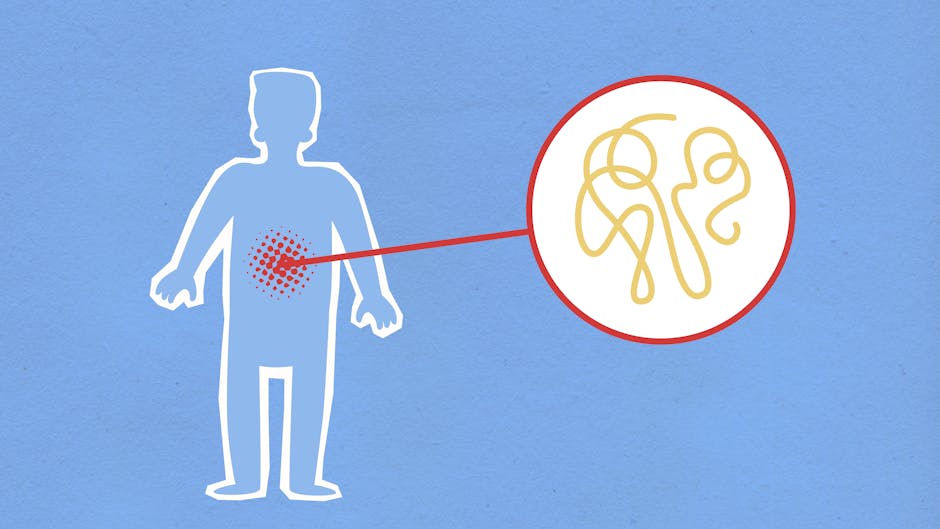
You’ve probably heard about cholesterol and blood pressure as key indicators for cardiovascular health. But what about homocysteine? This amino acid, produced naturally in your body, often flies under the radar. Yet, elevated levels can signal a significant, often underrated, risk factor for heart disease, stroke, and other serious health issues.
For many, the standard lipid panel is the go-to for heart health checks. While essential, it doesn’t tell the whole story. Understanding homocysteine levels can provide a deeper layer of insight, helping to identify potential risks that might otherwise go unnoticed. This is particularly crucial for those looking to take a truly proactive approach to their wellness.
At Daydream Health Lab, we’re dedicated to bringing you in-depth research, precise analysis, and actionable insights that help you make smarter health decisions. We believe that clear, reliable insights, like those derived from understanding various biomarkers, are fundamental to preventive medicine. As we discuss in our guide to cardiovascular disease risk assessment, a complete picture is always best.
What is homocysteine?
Homocysteine is a naturally occurring amino acid, a building block of proteins, produced during the metabolism of methionine, another amino acid found in foods like meat, fish, and dairy. It is typically present in the blood in very small amounts, as the body quickly converts it into other substances using B vitamins.
When this conversion process is disrupted, homocysteine can accumulate. Elevated levels are thought to damage the inner lining of arteries, making them more susceptible to plaque formation and clotting. This makes it a significant, though less commonly discussed, factor in cardiovascular disease risk. According to research published by the National Institutes of Health (NIH), high homocysteine has been associated with an increased risk of coronary artery disease, stroke, and peripheral vascular disease.

Is homocysteine tested in cbc?
No, a homocysteine test is not typically included in a standard complete blood count (CBC). A CBC analyzes various components of your blood, such as red blood cells, white blood cells, and platelets, but it doesn’t measure specific amino acids like homocysteine. Homocysteine requires a separate blood test to measure its levels directly.
For accurate measurement, a specific blood sample is drawn, usually after an overnight fast to ensure reliable results. The sample is then processed in a modern laboratory facility where our validated testing procedures and calibrated instruments precisely quantify the homocysteine concentration. This focused approach allows us to deliver accurate data, forming the basis for clear, reliable insights into your metabolic and cardiovascular health. We employ a transparent approach in all our testing, ensuring you understand each step.
What is a dangerous homocysteine level?
A dangerous homocysteine level is generally considered to be above 15 micromoles per liter (µmol/L). While optimal levels are often below 10 µmol/L, values between 10-15 µmol/L are usually categorized as borderline, indicating a potential increased risk that warrants attention and possible intervention. Levels exceeding 15 µmol/L are consistently linked with heightened cardiovascular risks.
When homocysteine levels rise significantly, they can contribute to several health concerns. This elevation signals that the body’s metabolic pathways for processing this amino acid might not be functioning optimally, often due to deficiencies in B vitamins like folate, B6, and B12. Our expertise in pharmaceutical research analysis methodology allows us to understand these complex biochemical interactions. Elevated homocysteine is associated with:
- Increased risk of heart disease: Damages arterial walls, promoting plaque buildup and hardening.
- Higher stroke risk: Contributes to blood clot formation that can block blood vessels to the brain.
- Peripheral artery disease: Affects blood flow to the limbs.
- Increased risk of deep vein thrombosis (DVT): Blood clots in deep veins, often in the legs.
- Cognitive impairment and dementia: Some research suggests a link, though more studies are needed.
- Complications in pregnancy: Associated with adverse outcomes like preeclampsia and neural tube defects.
Recognizing these risks early is part of preventive health screening. As Eric Obrien notes, “Early detection of elevated homocysteine levels through precise analysis can provide actionable insights for intervention, potentially reducing long-term cardiovascular burden.” Our 20-member expert staff collaborates to ensure such insights are both timely and accurate.

What Are normal homocysteine levels?
Normal homocysteine levels typically fall within the range of 5 to 15 micromoles per liter (µmol/L), with optimal levels often considered to be below 10 µmol/L. Maintaining levels within this range is generally associated with a lower risk of cardiovascular issues, reflecting efficient metabolic processes for clearing this amino acid from the bloodstream.
While a general range exists, normal levels can vary slightly based on age, gender, and individual health factors. For instance, homocysteine tends to increase with age. Women typically have lower levels than men, though post-menopausal women may see an increase. Genetic factors, certain medications, and lifestyle choices also play a role. When we interpret your lab report, we consider these variables to provide a personalized assessment. Understanding what blood biomarkers reveal about early disease risk helps us contextualize these findings effectively.
“Maintaining homocysteine levels below 10 µmol/L is a prudent goal for cardiovascular health, especially in individuals with other risk factors. This often requires addressing nutritional deficiencies and lifestyle habits.”
What foods cause high homocysteine levels?
While no specific foods directly “cause” high homocysteine levels, diets low in B vitamins, particularly folate, vitamin B6, and vitamin B12, can hinder the body’s ability to metabolize homocysteine efficiently, leading to its accumulation. Conversely, foods rich in these vitamins help keep levels in check.
Dietary choices play a crucial role in managing homocysteine. Consuming an adequate amount of B vitamins helps your body convert homocysteine into other beneficial substances. This is why a balanced diet rich in specific nutrients is paramount. Our documented quality control workflows ensure that when we analyze your nutritional markers, we provide you with a clear picture that informs dietary adjustments. Here are some foods that support healthy homocysteine metabolism:
- Leafy Green Vegetables: Spinach, kale, and other greens are excellent sources of folate.
- Legumes: Lentils, beans, and peas provide folate and vitamin B6.
- Fortified Cereals: Many breakfast cereals are fortified with B vitamins.
- Citrus Fruits: Oranges, grapefruits, and berries offer folate.
- Poultry and Fish: Chicken, turkey, salmon, and tuna are good sources of vitamin B6 and B12.
- Eggs and Dairy: Milk, cheese, and eggs contribute vitamin B12.
Conversely, excessive consumption of red meat, which is high in methionine, without adequate B vitamin intake, could theoretically contribute to higher levels, though the primary issue usually lies in the vitamin deficiency rather than the methionine intake itself. A well-designed research approach to your diet, supported by precise analysis, can offer truly actionable insights.
How to approach homocysteine management
Managing homocysteine levels is often straightforward, focusing on lifestyle and dietary adjustments. We use modern tools and validated testing procedures that help us analyze data with more accuracy and clarity, providing you with a reliable foundation for making informed decisions.
- Supplement with B Vitamins: If dietary intake isn’t enough, supplements containing folate (or L-methylfolate, its active form), vitamin B6, and vitamin B12 can be highly effective.
- Eat a Balanced Diet: Prioritize fruits, vegetables, whole grains, and lean proteins rich in the B vitamins mentioned above.
- Limit Alcohol Intake: Alcohol can interfere with B vitamin absorption and metabolism.
- Manage Chronic Conditions: Conditions like kidney disease or hypothyroidism can affect homocysteine levels, so effective management is key.
- Regular Exercise: Physical activity supports overall cardiovascular health and can indirectly help maintain healthy homocysteine levels.
- Regular Testing: Periodic monitoring, especially if you have known risk factors or deficiencies, allows for timely adjustments to your health plan. Our on-site testing capabilities ensure convenient and accurate monitoring.
In our practice with over 400 completed cases, we’ve seen how personalized health assessments, including specific pathology testing, provide the clearest path to improved health outcomes. By combining a transparent approach with scientific integrity, we help you understand your unique physiological landscape.
Homocysteine testing is more than just another lab value; it’s a window into an often-overlooked aspect of your cardiovascular health. By understanding and managing your levels, you’re taking a significant step towards preventive medicine and securing a healthier future. At Daydream Health Lab, we’re here to provide the precise analysis and clear, reliable insights you need. Explore our range of services to see how we can support your health journey with evidence-based wellness guidance.