
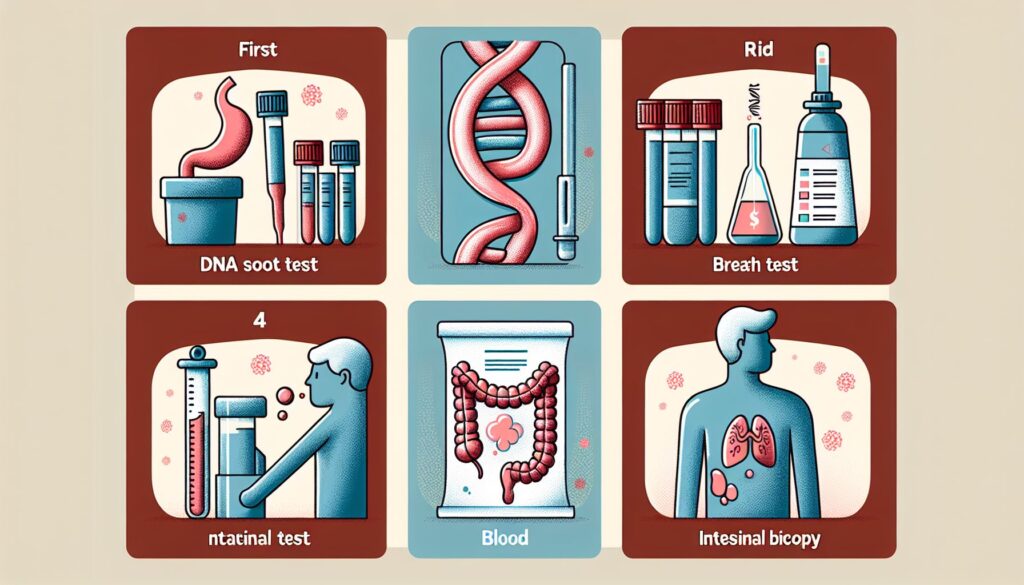
Maintaining good gut health is crucial for overall well-being. Standard checkups often overlook the intricate workings of our digestive systems. This article explores four advanced tests that discover hidden aspects of gut health, providing a clearer picture of your digestive condition.
1. Microbiome Analysis
Microbiome analysis examines the trillions of bacteria living in your gut. These microscopic organisms play a significant role in digestion, immunity, and mental health.
How It Works
A stool sample provides the basis for this analysis. Scientists extract DNA from the sample to identify bacteria types and quantities. This study reveals bacterial diversity and balance.
Benefits
Understanding your microbiome aids in tailoring diet and lifestyle for better health. It helps manage digestive issues, boost immune function, and reduce inflammation.
Drawbacks
Microbiome science is still developing. Results may vary by lab, making consistency a challenge. Testing can also be costly.
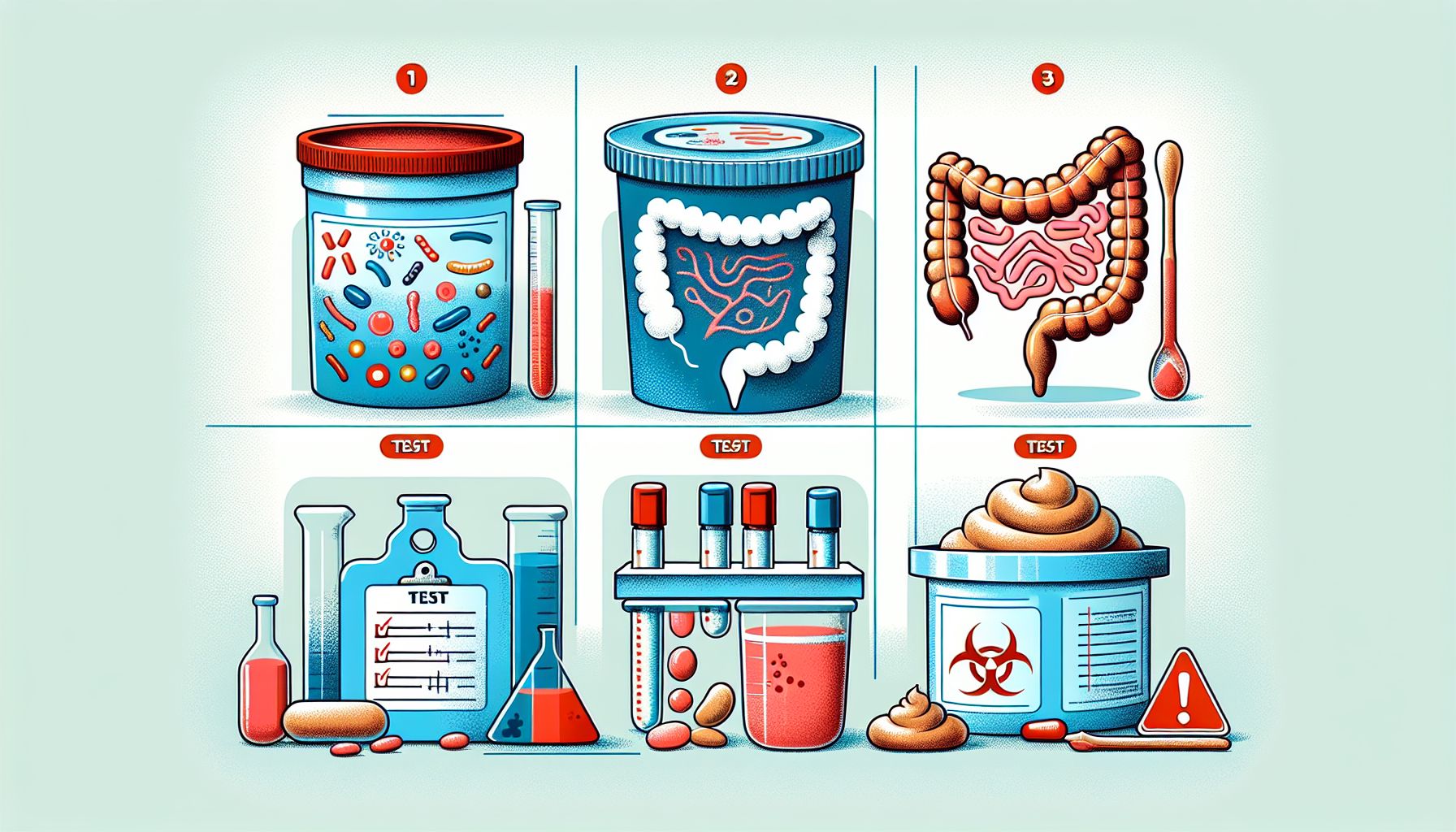
2. Food Sensitivity Test
Food sensitivities differ from allergies. They are related to the digestive system and trigger symptoms such as bloating, fatigue, and stomach pain.
How It Works
This test measures the body’s immune response to multiple foods. A simple blood sample detects antibody production against various foods.
Benefits
Identifying food sensitivities helps eliminate harmful foods from your diet. Doing so can ease digestive discomfort and improve energy levels.
Drawbacks
Food sensitivity results can be unpredictable. They can also change over time. Some foods might show up as sensitive, but eliminating them does not always improve symptoms.
3. SIBO Breath Test
Small Intestinal Bacterial Overgrowth (SIBO) occurs when excess bacteria grow in the small intestine. It can lead to pain, bloating, and irregular bowel movements.
How It Works
The test requires drinking a sugar solution. Afterward, you breathe into a device that measures hydrogen and methane gas levels. Excessive gas signals bacterial overgrowth.
Benefits
This test is non-invasive and easy to perform at home. Identifying SIBO allows targeted treatment, leading to symptom relief.
Drawbacks
Diet or lifestyle changes may affect the test’s accuracy. Interpretations should be cautious, as other digestive conditions may produce similar results.

4. Stool Analysis
A comprehensive stool analysis looks beyond bacteria, examining enzyme levels, yeast, and markers of inflammation. It offers a complete view of digestive function and absorption.
How It Works
You provide a stool sample to a lab for chemical and microscopic analysis. Results reveal various digestive markers.
Benefits
This test uncovers inflammation, malabsorption, and enzyme issues. It aids in diagnosing conditions like IBS or IBD.
Drawbacks
Stool analysis can seem intrusive or unpleasant. Detailed results might require assistance from a knowledgeable healthcare professional to interpret.
Choosing the Right Test
Consider your symptoms and health goals before selecting a test. Each test provides specific insights:
- Microbiome Analysis: Ideal for overall gut health and dietary adjustments.
- Food Sensitivity Test: Suitable for those with digestive discomfort related to diet.
- SIBO Breath Test: The choice for symptoms like gas and bloating.
- Stool Analysis: Best for comprehensive digestive health check.
Final Thoughts
Gut health affects many aspects of our lives, from digestion to mood. Advanced gut health tests offer benefits beyond standard checkups. By revealing hidden issues, they empower you to take control of your wellness.
Discuss your options with a healthcare provider to decide which test aligns with your needs. Proper testing combined with professional guidance can lead to improved health and vitality.