
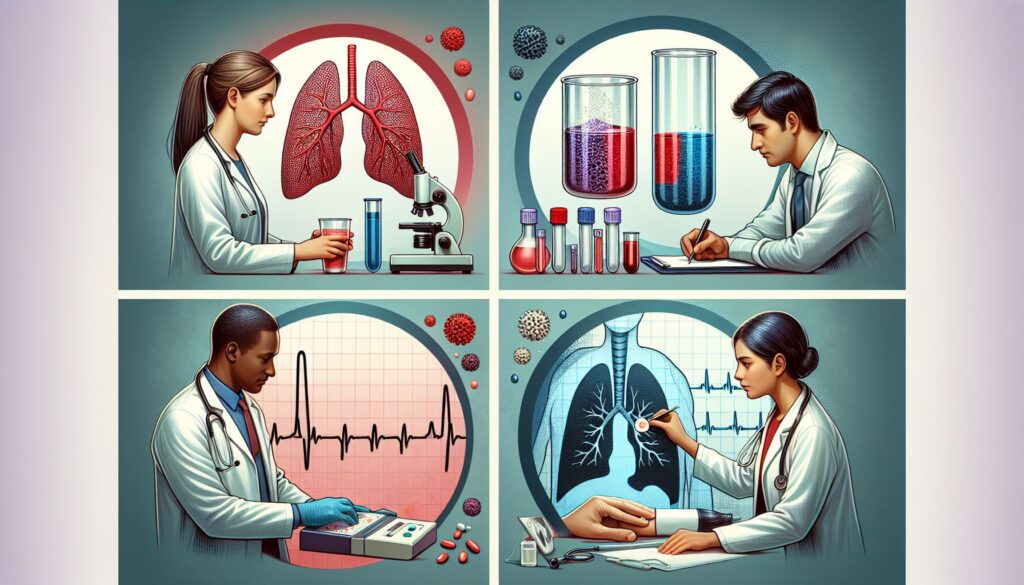
Early detection of diseases can change outcomes significantly. Proper diagnosis and timely intervention can prevent complications. Pathology tests are essential tools used by doctors to monitor health and identify diseases early. In this article, we discuss four pathology tests that can detect diseases in their early stages and potentially save lives.
1. Complete Blood Count (CBC)
Function
The Complete Blood Count (CBC) test examines blood components: red blood cells, white blood cells, and platelets. This test is vital for detecting disorders like anemia, infections, and many other medical conditions.
How It Works
A healthcare professional collects a blood sample. The sample then goes to a laboratory where a machine counts the different blood cells. The results indicate whether blood cell levels are normal, low, or high.
Impact on Early Detection
A CBC test can uncover conditions like anemia and infections by revealing abnormal levels of blood cells. Early diagnosis allows for prompt treatment, ensuring better health outcomes.
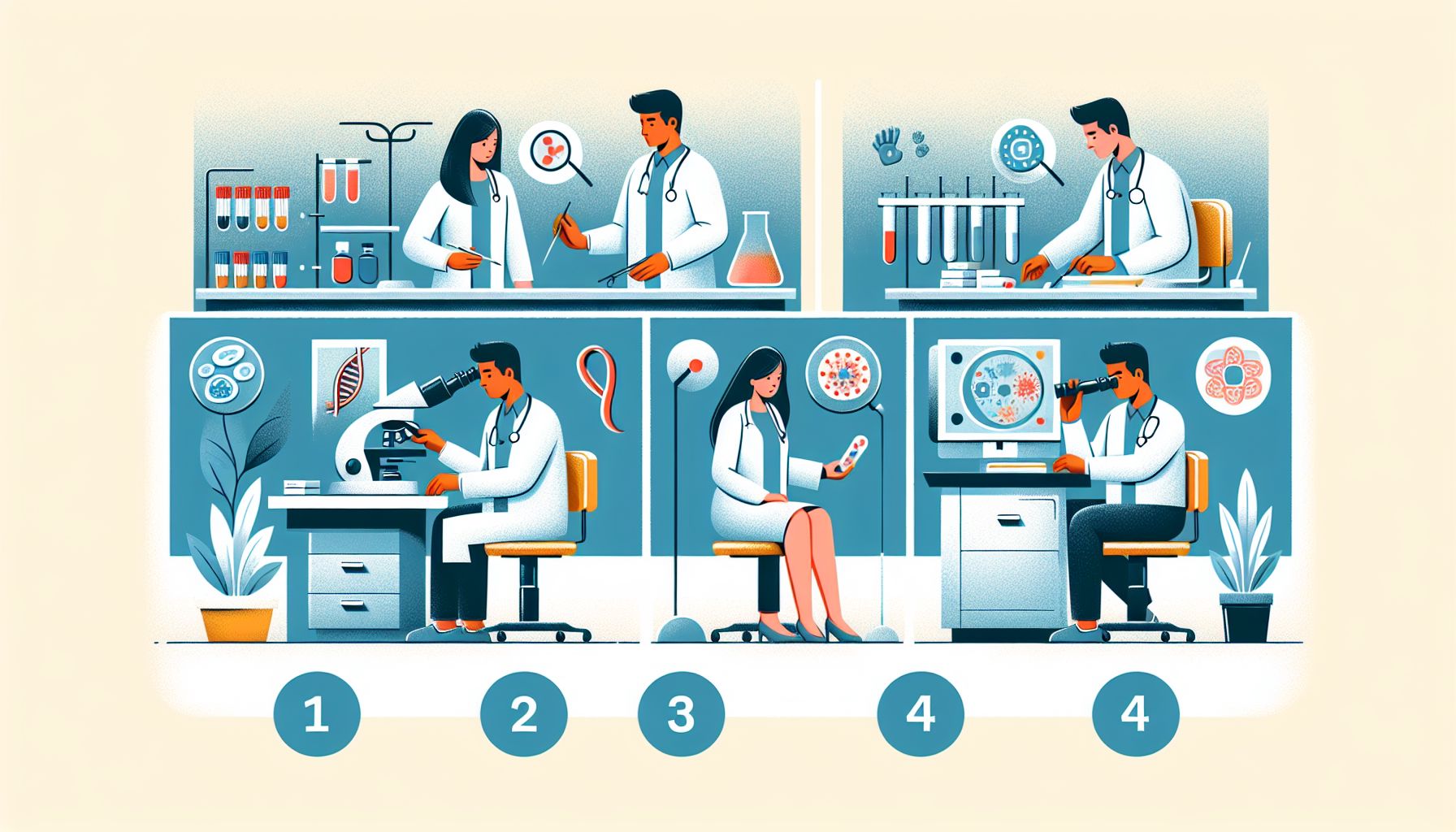
Pros and Cons
- Pros: CBC tests are quick and provide essential data about overall health. They help identify infections or abnormalities early.
- Cons: They may not pinpoint specific diseases alone and could require additional testing to diagnose problems fully.
2. Pap Smear
Function
The Pap smear detects cervical cancer in women. Early detection of cervical cancer increases the chances of successful treatment and can save lives.
How It Works
A healthcare provider collects cells from the cervix. These cells are examined under a microscope to find any abnormal changes.
Impact on Early Detection
Pap smears detect precancerous changes before they develop into cancer. Early intervention can prevent the development of cervical cancer, making it a powerful tool in cancer prevention.
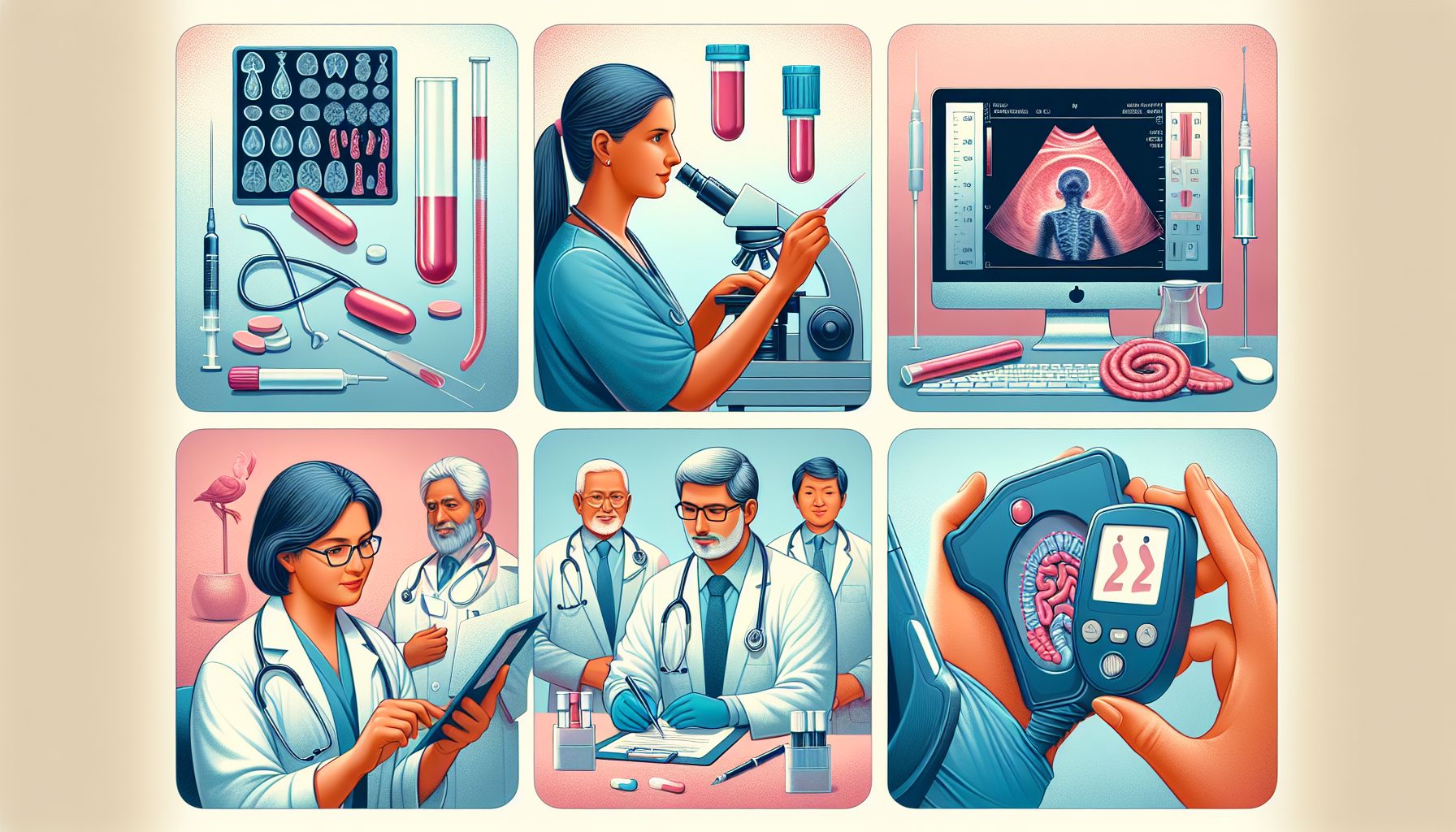
Pros and Cons
- Pros: Pap smears are often able to catch cervical abnormalities before they develop into full-blown cancer. This can enable preemptive treatment, reducing the risk of cancer.
- Cons: False positives can occur, leading to unnecessary anxiety and further testing. Regular screenings are still essential despite normal results.
3. Lipid Panel
Function
The lipid panel measures cholesterol levels in the blood. Abnormal cholesterol levels increase the risk of heart disease and stroke.
How It Works
Blood is drawn and sent to a lab. The test measures different types of cholesterol and triglycerides, providing a comprehensive view of cardiovascular health.
Impact on Early Detection
High cholesterol can lead to heart disease or stroke. A lipid panel detects high cholesterol early, prompting lifestyle or medication changes to manage cholesterol levels effectively.
Pros and Cons
- Pros: Lipid panels help detect risk factors for severe heart conditions before symptoms appear. Early management can prevent heart attacks or strokes.
- Cons: A lipid panel requires fasting, which might be inconvenient. Misinterpretation of results without considering overall heart health can lead to incorrect assumptions.
4. Fecal Occult Blood Test (FOBT)
Function
This test detects hidden blood in stool, which can indicate colon cancer.
How It Works
A small stool sample is collected and analyzed for traces of blood not visible to the naked eye.
Impact on Early Detection
Early detection of blood in stool can indicate colon cancer or other digestive health issues. Timely intervention can save lives by enabling early cancer treatment or prevention methods.
Pros and Cons
- Pros: FOBT is non-invasive and can be done at home, encouraging more frequent monitoring.
- Cons: Certain foods and medications can affect results, possibly leading to inaccurate readings where further testing is required.
Conclusion
Pathology tests like the Complete Blood Count, Pap Smear, Lipid Panel, and Fecal Occult Blood Test play a crucial role in early disease detection. These tests help uncover potential health issues before they become severe. With early detection, individuals can receive timely medical care, which often leads to better health outcomes and survival rates.
Routine health checks and understanding pathology test results improve health management. By using these simple tests, we take proactive steps in disease prevention and health preservation. Regular consultations with healthcare providers ensure these tests are utilized effectively, enhancing overall well-being.