
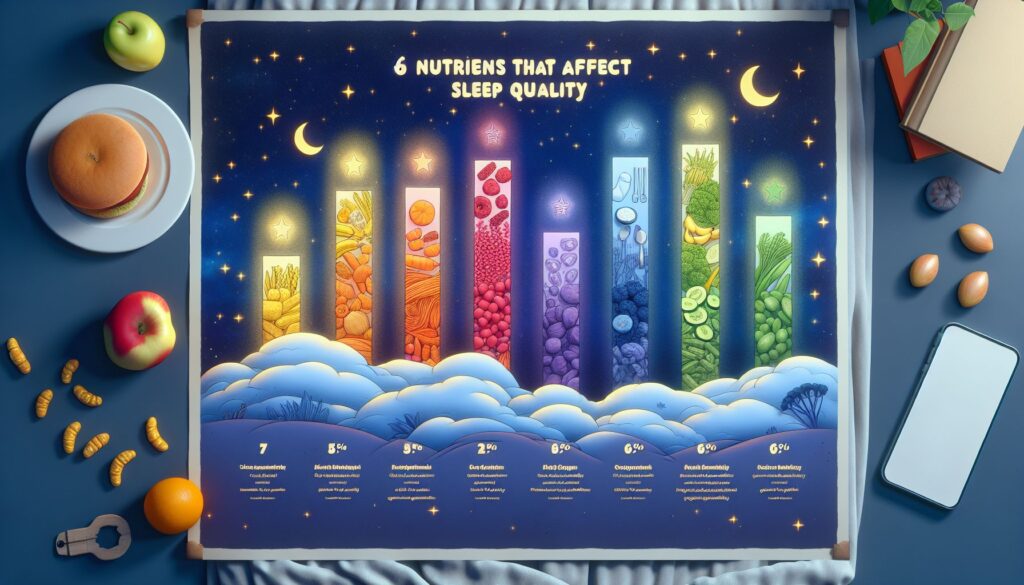
Good sleep is essential for health and wellness. Certain nutrients play a key role in sleep quality. This article explores six nutrients that affect sleep and how to optimize them.
1. Tryptophan
Tryptophan is an amino acid. The body uses it to produce serotonin. Serotonin helps regulate sleep.
How to Optimize Tryptophan
Consume foods high in tryptophan. Examples include turkey, chicken, eggs, and nuts. Try to balance tryptophan intake with carbohydrates. Carbs help transport tryptophan to the brain.
Pros and Cons of Tryptophan
Pros:
- Encourages serotonin production
- Supports a good night’s sleep
Cons:
- High doses may cause digestive issues
- Balanced intake is essential
2. Magnesium
Magnesium is a mineral. It helps regulate sleep by relaxing muscles and calming the mind.
How to Optimize Magnesium
Include magnesium-rich foods in your diet. Examples are leafy greens, nuts, seeds, and whole grains. Consider a magnesium supplement if necessary. Consult a healthcare provider first.
Pros and Cons of Magnesium
Pros:
- Relaxes muscles
- Promotes calmness
Cons:
- Excess magnesium can cause diarrhea
- Some people might experience stomach pain
3. Calcium
Calcium aids in converting tryptophan into melatonin. Melatonin controls sleep cycles.
How to Optimize Calcium
Consume dairy products, leafy greens, and fortified foods. Calcium supplements are another option.
Pros and Cons of Calcium
Pros:
- Supports melatonin production
- Essential for bone health
Cons:
- Overconsumption may lead to kidney stones
- Some individuals are lactose intolerant
4. Vitamin D
Vitamin D affects sleep by dealing with melatonin. It supports many bodily functions.
How to Optimize Vitamin D
Spend time in sunlight to boost vitamin D levels. Eat vitamin D-rich foods like fatty fish, cheese, and egg yolks. You might consider taking a vitamin D supplement.
Pros and Cons of Vitamin D
Pros:
- Supports several bodily functions
- Affects melatonin positively
Cons:
- Excessive intake can lead to toxicity
- Sun exposure risks must be managed
5. Omega-3 Fatty Acids
Omega-3s support serotonin levels. They help regulate sleep.
How to Optimize Omega-3 Fatty Acids
Eat fish like salmon or mackerel. Plant sources include chia seeds and walnuts. Omega-3 supplements are available, too.
Pros and Cons of Omega-3 Fatty Acids
Pros:
- Supports heart and brain health
- Plays a role in sleep regulation
Cons:
- Fish sources may contain mercury
- Individuals may be allergic to fish
6. B Vitamins
B vitamins play a role in producing and regulating neurotransmitters that control sleep. This includes serotonin and melatonin.
How to Optimize B Vitamins
Consume whole grains, meat, eggs, and dairy. B vitamin supplements are also an option.
Pros and Cons of B Vitamins
Pros:
- Support neurotransmitter production
- Affect energy levels and mood
Cons:
- Excessive intake might upset the stomach
- High doses can affect nerve health
Conclusion
Optimal sleep requires balanced nutrition. Focus on these six nutrients to support restful sleep. Ensure a varied diet. Consult with a healthcare professional before starting any supplements. Prioritizing balanced nutrition is key for better sleep quality. Adopting healthy sleep habits further enhances sleep.