
Zinc is a vital mineral that supports many bodily functions, yet its importance is often overlooked. Maintaining proper zinc levels can influence health significantly. Here’s why zinc matters and how you can check your levels accurately.
1. Boosts Immune Function
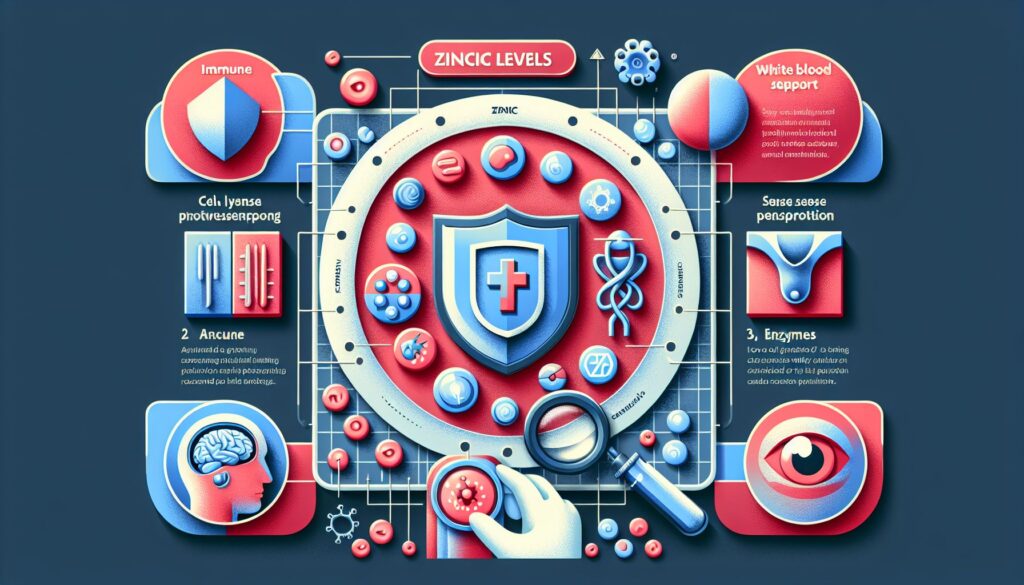
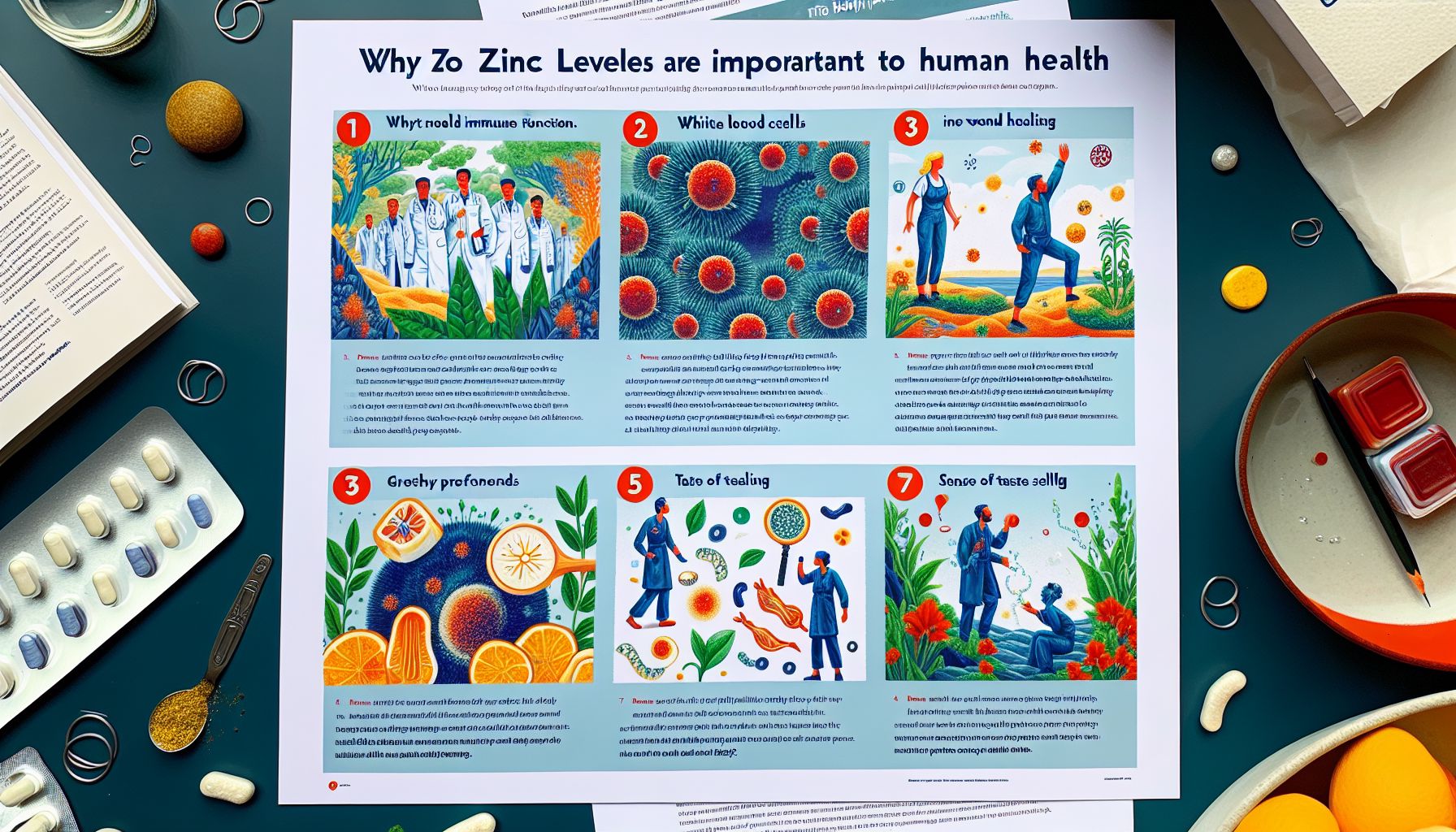
Zinc plays a crucial role in maintaining strong immune defenses. It helps the body fend off pathogens by supporting the production of immune cells. Low zinc levels may lead to impaired cell function and increased susceptibility to infections, such as the common cold.
To ensure your immune system functions optimally, incorporating zinc-rich foods like meat, shellfish, legumes, and seeds into your diet can be beneficial.
2. Aids in DNA Synthesis and Cell Growth
Zinc is essential for DNA synthesis, which is necessary for cell growth and division. This function is especially important during periods of rapid growth, such as pregnancy, childhood, and adolescence. Inadequate zinc can lead to growth retardation and developmental problems.
If you are in one of these life stages, it’s vital to monitor your zinc intake to support healthy development.
3. Supports Skin Health and Wound Healing
The skin relies on zinc for proper functioning. It aids in collagen synthesis, which is vital for skin repair and maintaining its structural integrity. Zinc deficiency can result in slower wound healing and skin problems like dermatitis.
Zinc supplementation or the use of topical zinc creams can enhance wound healing and improve skin conditions.
4. Enhances Sensory Perception
Zinc plays a role in maintaining taste and smell. A deficiency in zinc can lead to a decrease in these senses, affecting appetite and nutrition. Correcting zinc deficiency can restore sensory perception, which can have a positive impact on dietary habits.
Including zinc-rich foods in your diet can help maintain healthy sensory functions.
How to Check Zinc Levels
1. Blood Test
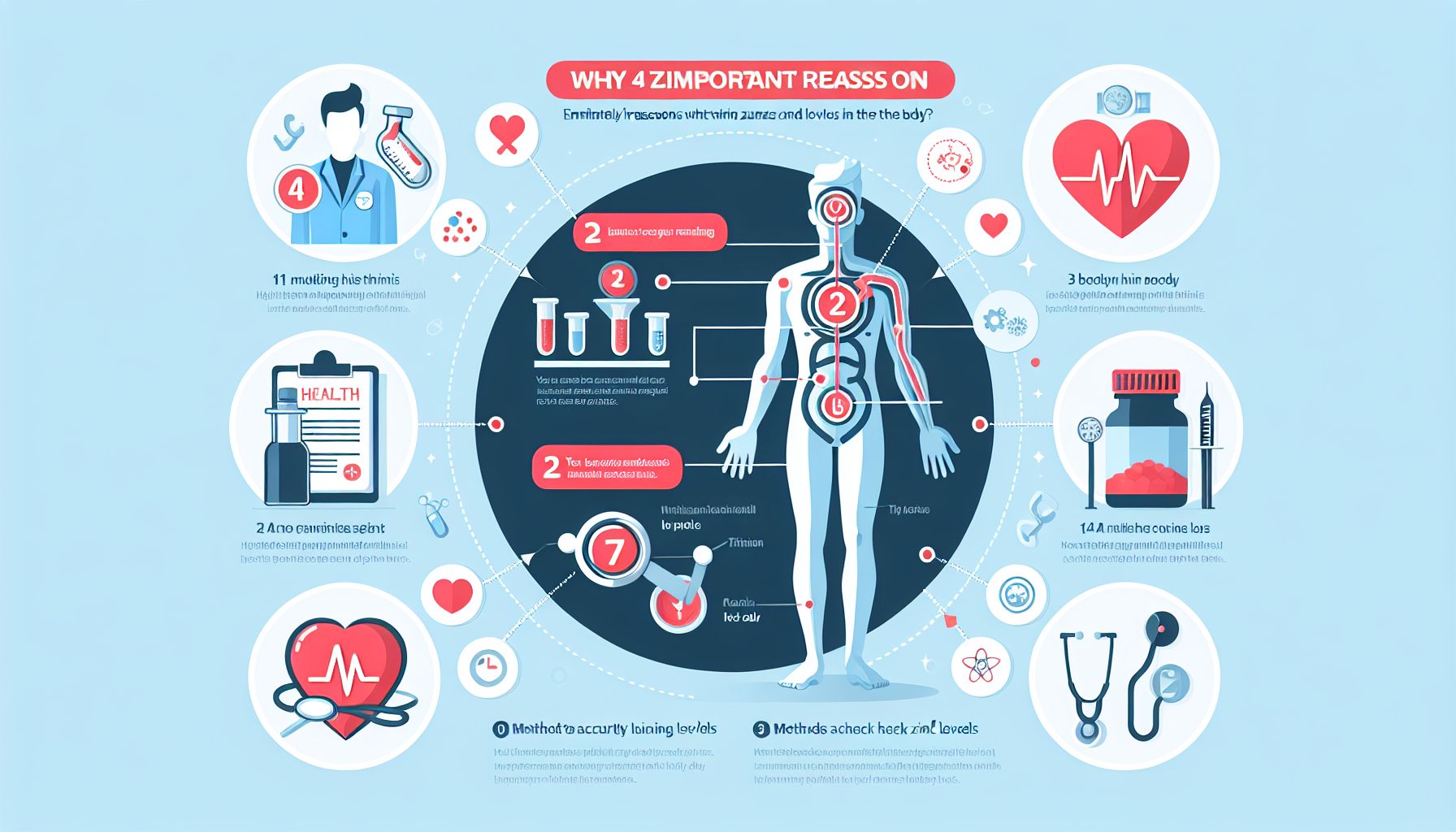
The most common method to measure zinc levels is through a blood test. Your healthcare provider can conduct this test. It checks the amount of zinc in your plasma, providing a precise measure of your zinc status.
2. Hair Analysis
Another way to assess zinc levels is through hair mineral analysis. This test looks at the mineral content in your hair, offering insights into zinc levels over time.
3. Taste Tests
Zinc deficiency can sometimes be detected through a taste test. You may be asked to taste a zinc solution and describe the flavor. A lack of taste can indicate lower zinc levels. This method is less precise but can provide initial clues about zinc status.
4. Urine Test
Urine tests can also measure zinc levels, though they are less common. This method provides information about zinc excretion and can be used alongside other tests for a comprehensive analysis.
Additional Considerations
When checking zinc levels, it’s important to consider several factors:
- Dietary Intake: Keep track of your daily zinc consumption through food and supplements.
- Absorption Rates: Certain conditions can affect zinc absorption. It’s important to be aware of these if you suspect a deficiency.
- Supplementation: Too much zinc can cause toxicity. Consult a healthcare provider before starting any supplements to determine the proper dosage for your needs.
Pros and Cons of Zinc Supplementation
Pros
- Supports Immunity: Zinc supplements can boost the immune system, particularly in those with deficiencies.
- Promotes Healing: They enhance wound healing processes.
- Enhances Senses: Supplements can restore taste and smell affected by deficiencies.
Cons
- Potential Toxicity: Excessive zinc intake can lead to toxicity, presenting symptoms like nausea and headaches.
- Interferes with Absorption: High zinc doses can interfere with the absorption of other essential minerals like copper.
Conclusion
Zinc levels play a crucial role in maintaining health and wellbeing. By understanding the importance of zinc, you can take steps to ensure your levels remain optimal. Regular monitoring through tests, coupled with dietary adjustments, will help maintain a healthy zinc balance. Always consult with a healthcare provider for personalized advice on zinc intake and supplementation.