
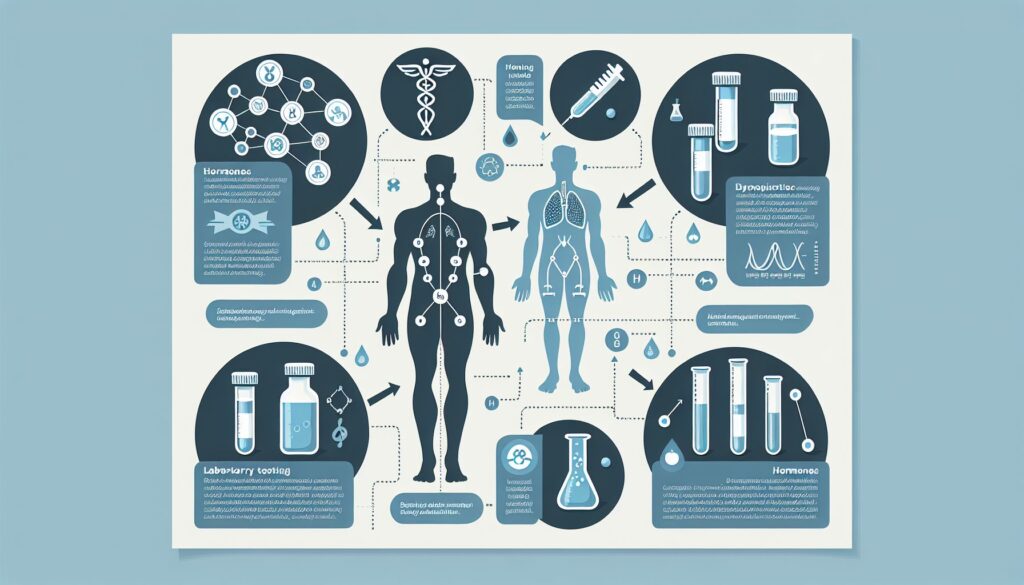
Understanding how hormones impact your weight is crucial. Hormones are chemical messengers. They control many of your body’s functions, including weight management. Some hormones can cause weight gain. Others can help you lose weight. This article examines eight hormones that impact your weight. It also explains how lab testing can help you manage weight effectively.
1. Insulin
Insulin regulates how your body uses sugar. After you eat, your pancreas releases insulin. Insulin helps cells take in sugar for energy. When insulin levels stay high due to insulin resistance, it can lead to weight gain. High insulin levels can cause fat storage.
- Pros of Testing: Testing can identify insulin resistance early. Early intervention can prevent diabetes and weight complications.
- Cons of Testing: Testing may be unnecessary if signs of insulin resistance are absent.

2. Leptin
Leptin helps control energy balance by regulating hunger. Fat cells produce leptin. This hormone signals the brain when you’re full. Low or inefficient leptin signals can cause overeating. Overeating can lead to weight gain.
- Pros of Testing: Lab tests can detect leptin disorders. Treatment can adjust leptin levels for better hunger control.
- Cons of Testing: Effective treatment options for leptin issues are limited.
3. Ghrelin
Ghrelin is known as the hunger hormone. Your stomach releases ghrelin when it’s empty. Ghrelin levels drop after eating. High ghrelin levels can increase appetite and cause you to eat more.
- Pros of Testing: Testing can help understand appetite problems. Tailored strategies can control hunger.
- Cons of Testing: There are limited ways to modify ghrelin levels directly after testing.
4. Cortisol
Cortisol, the stress hormone, can affect your weight. In stressful times, cortisol levels rise. High cortisol levels can cause cravings for sugary and fatty foods. This can lead to weight gain, especially around the abdomen.
- Pros of Testing: Identifying cortisol imbalance can help manage stress better. Proper management can prevent weight gain.
- Cons of Testing: Stress management often requires lifestyle changes, which can be challenging.
5. Thyroid Hormones
The thyroid gland produces hormones that control metabolism. An underactive thyroid (hypothyroidism) slows metabolism and can lead to weight gain.
- Pros of Testing: Detects thyroid issues that can be treated with medication or therapy.
- Cons of Testing: Long-term treatment plans may be necessary, involving medication with side effects.
6. Estrogen
Estrogen levels can affect body weight. High estrogen levels, often seen in both men and women, can cause fat storage. This is common in women during menopause and can lead to weight gain.
- Pros of Testing: Identifies imbalances, allowing for treatments like hormone replacement therapy.
- Cons of Testing: Hormone therapies may have adverse side effects.
7. Testosterone
Inadequate testosterone can lower muscle mass and increase body fat. Both men and women need adequate testosterone for optimal muscle-to-fat ratios.
- Pros of Testing: Testing can guide testosterone replacement therapy for improved muscle mass.
- Cons of Testing: Hormone therapy can carry risks, including increased heart disease risk.
8. Peptide YY (PYY)
PYY reduces appetite after you eat. It helps promote a sense of fullness. Low PYY levels can cause you to eat more, leading to weight gain.
- Pros of Testing: Helps in understanding appetite and fullness disorders.
- Cons of Testing: Specific treatments for PYY imbalance are not well-established.
How Lab Testing Can Guide Treatment
Lab tests can reveal hormonal imbalances. Knowing your hormone levels helps in crafting effective treatment plans. Doctors base treatments on test results. Common treatments include hormone therapy, lifestyle changes, and medications. This approach makes managing weight more personalized and effective.
- Example: If lab tests show high cortisol levels, stress-reducing therapies can be applied to manage weight.
- Example: If you have low thyroid hormones, thyroid replacement can boost metabolism.
Pros and Cons of Lab Testing
Pros:
- Identifies specific hormone imbalances.
- Guides personalized treatment plans.
- Prone to early detection, preventing further complications.
Cons:
- Testing can be costly.
- Some treatments come with side effects.
- Regular testing may be necessary, which is time-consuming.
Conclusion
Hormones play a vital role in weight management. Insulin, leptin, ghrelin, cortisol, thyroid hormones, estrogen, testosterone, and PYY are key players. Lab testing can provide a clear picture of your hormonal health. This allows for more targeted, effective treatments. With proper management based on lab results, you can take control of your weight, ultimately improving your overall health. Consider discussing hormone testing with a healthcare professional if you’re facing unexplained weight issues. They can provide insights tailored to your specific needs.