
Many of us grew up hearing about “good” and “bad” cholesterol, a simple picture of cardiovascular health. While traditional lipid panels offer valuable information, they sometimes don’t tell the whole story, leaving gaps in understanding individual risk for heart disease. It’s frustrating when you’re trying to be proactive about your health, but the answers feel incomplete. You want clear, reliable insights, not just numbers that might not fully represent your risk.
This is where advanced lipid panels step in. These tests go deeper than total cholesterol, LDL, and HDL, looking at the size and number of lipoprotein particles circulating in your blood. This detailed view offers a more precise analysis of cardiovascular risk, helping both patients and healthcare professionals make more informed decisions.
At Daydream Health Lab, we bring you in-depth research, precise analysis, and actionable insights that help you make smarter health decisions. We believe in moving beyond generalized metrics to provide a granular understanding of your health, supporting preventive medicine through superior pathology testing.
What Exactly Are Advanced Lipid Panels?
An advanced lipid panel, unlike a standard cholesterol test, measures the number and size of lipoprotein particles, such as LDL (low-density lipoprotein) and HDL (high-density lipoprotein). While standard tests quantify the *amount* of cholesterol carried within these particles, advanced panels focus on the *particles themselves*. This distinction is critical because it’s the number and type of these particles, especially small, dense LDL particles, that are often more indicative of cardiovascular disease risk, not just the total cholesterol concentration within them. We use validated methods in our laboratory facilities to ensure precise analysis.
“The current evidence strongly suggests that LDL particle number (LDL-P) is a better predictor of cardiovascular disease risk than LDL cholesterol (LDL-C).”
Think of it this way: a standard test tells you the total amount of luggage on a conveyor belt (cholesterol). An advanced panel tells you how many pieces of luggage there are, and their individual sizes. More small pieces of luggage can cause more traffic jams and damage. This approach provides a much clearer picture of your actual risk profile.
What Is the Test for Cholesterol Particle Size?
The test for cholesterol particle size, often part of an advanced lipid panel, measures the number and characteristics of lipoprotein particles using techniques like Nuclear Magnetic Resonance (NMR) spectroscopy or advanced electrophoresis. These methods allow us to differentiate between various subfractions of LDL and HDL, identifying smaller, denser particles linked to higher cardiovascular risk.
This detailed analysis provides insight into the composition of your lipid profile. For instance, small, dense LDL particles are particularly atherogenic, meaning they are more prone to penetrating the arterial wall, initiating plaque formation. In our practice, we have seen how these insights guide more targeted interventions.
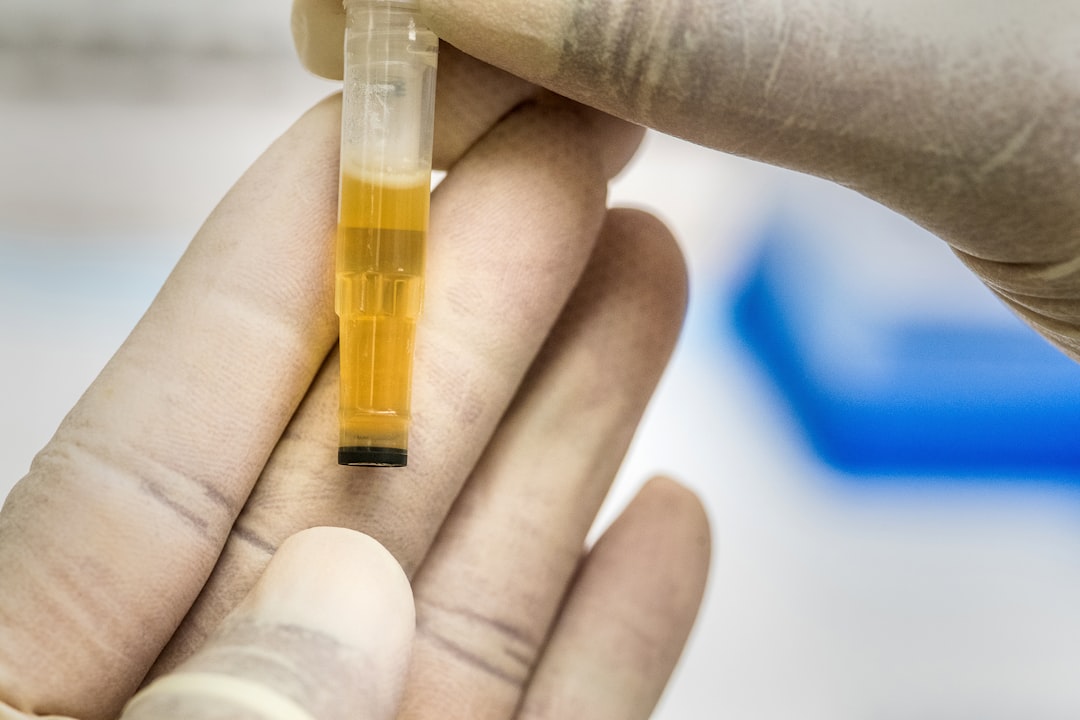
The process itself is straightforward. It usually involves a simple blood draw, much like a standard cholesterol test. Our laboratory staff handles samples with scientific integrity, employing validated testing procedures and calibrated instruments to ensure the highest accuracy. The sample is then processed, and the various lipoprotein subfractions are separated and quantified. This level of detail helps us offer clear, reliable insights to you and your healthcare provider.
Is Advanced Lipid Testing Worth It?
Advanced lipid testing can be profoundly worth it for individuals seeking a deeper understanding of their cardiovascular risk, especially if they have a family history of heart disease, metabolic syndrome, or traditional lipid numbers that appear “normal” yet don’t align with their overall health picture. It offers a more nuanced risk assessment, enabling more precise and personalized intervention strategies.
While traditional lipid panels are a good starting point, they sometimes miss subtle but significant risk factors. For example, a person might have normal total LDL cholesterol but a high number of small, dense LDL particles, which significantly increases their risk. This is a common scenario where advanced testing truly shines. Our 20-member expert staff utilizes these advanced techniques as part of our commitment to preventive health screening.
It’s important to consider who benefits most. Patients with existing cardiovascular disease, diabetes, obesity, or a strong family history of early heart disease are prime candidates. Even those with seemingly optimal standard lipid numbers might uncover hidden risks with an advanced panel. For those interested in a full overview of our offerings, we encourage you to explore our services page.
What Conditions Might Advanced Lipid Panels Help Identify?
Advanced lipid panels provide a detailed look at lipoprotein particles that can reveal underlying risks for various cardiovascular and metabolic conditions. They help identify patterns that standard tests might miss, offering a clearer path to preventive action.
- Increased risk of atherosclerosis: Detection of high numbers of small, dense LDL particles, which are more likely to contribute to plaque buildup in arteries.
- Metabolic Syndrome: Often characterized by insulin resistance, which can lead to adverse changes in lipoprotein particle profiles.
- Type 2 Diabetes Risk: Early identification of dyslipidemia patterns associated with glucose metabolism issues.
- Genetic predispositions: Uncovering familial hyperlipidemia patterns that might not be fully evident from standard cholesterol readings alone.
- Inflammatory Markers: Some advanced panels also include inflammatory markers like Lp-PLA2, which further assesses vascular inflammation and risk.
- Suboptimal Treatment Response: Guiding adjustments in lifestyle or medication for individuals whose standard lipid numbers are controlled but risk factors persist.
“Small, dense LDL particles are particularly insidious because they are more susceptible to oxidation and easier to accumulate in the arterial walls, contributing disproportionately to atherogenesis.”
Understanding these specific risks allows for highly targeted interventions. Instead of a blanket approach, we can focus on strategies designed to reduce the most harmful particle types and numbers. This level of personalized insight is central to our evidence-based health education mission, helping individuals take actionable steps toward better health.
Advanced Lipid Panel Interpretation: What to Expect from Your Results
Interpreting advanced lipid panel results requires a nuanced understanding beyond simply noting high or low numbers. We look at several key markers, including LDL particle number (LDL-P), HDL particle number (HDL-P), and the distribution of LDL and HDL particle sizes. A higher LDL-P, especially with a predominance of small LDL particles, often indicates a higher risk. Conversely, a higher HDL-P with larger HDL particles is generally protective.
Our comprehensive reports provide clear, reliable insights, breaking down these complex markers into understandable terms. When we analyze results, we don’t just present the raw data. We offer context, explaining what each finding means for your individual health trajectory. For instance, Dr. Emily Carrington, our CEO, emphasizes the importance of looking at the full picture of Pathologycam testing to gain a holistic view of potential health concerns.
Regarding a realistic timeline, once your blood sample is collected, it typically takes 5-7 business days for the laboratory processing and detailed analysis to be completed. We then provide a comprehensive report and are available to discuss the implications with you and your healthcare provider, ensuring you have the knowledge needed for informed decisions.
How Do I Lower My LDL Particle Size?
Lowering LDL particle size primarily involves lifestyle modifications aimed at improving metabolic health, as small, dense LDL particles are often linked to insulin resistance, inflammation, and triglyceride levels. There isn’t a single magic bullet, but a combination of targeted strategies can be very effective.
- Dietary Adjustments: Reduce intake of refined carbohydrates, sugars, and unhealthy saturated and trans fats. Focus on whole foods, lean proteins, fiber-rich fruits and vegetables, and healthy fats like monounsaturated and polyunsaturated fats found in avocados, nuts, and olive oil.
- Increase Soluble Fiber: Foods like oats, barley, apples, and beans can help lower LDL-P by binding to cholesterol in the digestive tract and promoting its excretion.
- Regular Physical Activity: Engage in consistent exercise, combining aerobic activity with strength training. Physical activity improves insulin sensitivity and can favorably shift lipoprotein particle distribution.
- Maintain a Healthy Weight: Excess body fat, particularly around the abdomen, is strongly associated with adverse lipid profiles, including a higher prevalence of small, dense LDL particles.
- Manage Stress and Sleep: Chronic stress and poor sleep can negatively impact metabolic health and inflammatory markers, indirectly affecting lipoprotein profiles. Prioritize stress reduction techniques and consistent, quality sleep.
- Discuss Supplementation with Your Doctor: Certain supplements, like omega-3 fatty acids, psyllium fiber, or plant sterols, might be beneficial, but always consult your healthcare provider before starting any new regimen.
These practical steps are grounded in evidence-based research. Through our on-site testing capabilities and expertise in pharmaceutical research analysis methodology, we see how consistent adherence to these principles yields positive changes in our clients’ lipid profiles. We’re dedicated to helping you achieve clear, reliable insights into your health.

Understanding your advanced lipid profile empowers you to take precise, proactive steps towards better health. It moves beyond conventional wisdom to give you the exact data you need to manage your cardiovascular risk effectively. If you’re ready to gain a deeper, evidence-based understanding of your heart health, Daydream Health Lab offers the precise analysis and clear insights you deserve. Don’t settle for incomplete information; equip yourself with the knowledge to make truly informed health decisions.