
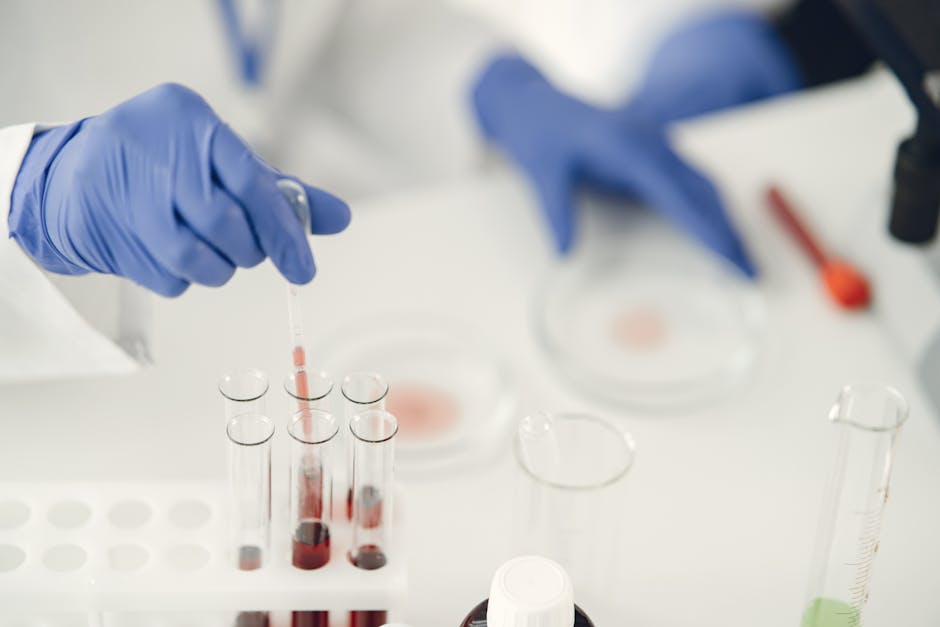
Navigating the world of diagnostic health testing can feel overwhelming. You’ve likely encountered various options, each promising unique insights into your well-being. But when it comes to understanding your body’s mineral status, nutrient levels, or potential heavy metal exposure, two methods often come to mind: hair mineral analysis (HTMA) and traditional blood serum testing.
Patients and healthcare professionals frequently ask which method offers a more accurate or comprehensive picture. Each test has its strengths and limitations, and understanding these distinctions is crucial for making informed health decisions. Knowing when to use one over the other, or when to combine them, can dramatically improve diagnostic clarity.
At Daydream Health Lab, we bring you in-depth research, precise analysis, and actionable insights that help you make smarter health decisions. We’re committed to providing clear, reliable insights, helping you navigate complex diagnostic choices, whether it’s understanding your mineral profile or exploring what a pathology test reveals.
Understanding the Foundations: Hair Mineral Analysis and Blood Serum Testing
What is Hair Mineral Analysis (HTMA)?
Hair Mineral Analysis (HTMA), sometimes called tissue mineral analysis, is a non-invasive test that measures the mineral content of hair. It reflects the body’s mineral levels over a period of weeks to months, rather than just a single point in time. Because hair is a soft tissue that stores minerals as it grows, it can provide a retrospective look at nutritional status and heavy metal accumulation.
“Hair tissue mineral analysis reflects a longer-term exposure history to trace elements and heavy metals, making it a valuable tool for assessing chronic nutritional status.”
What is Blood Serum Testing?
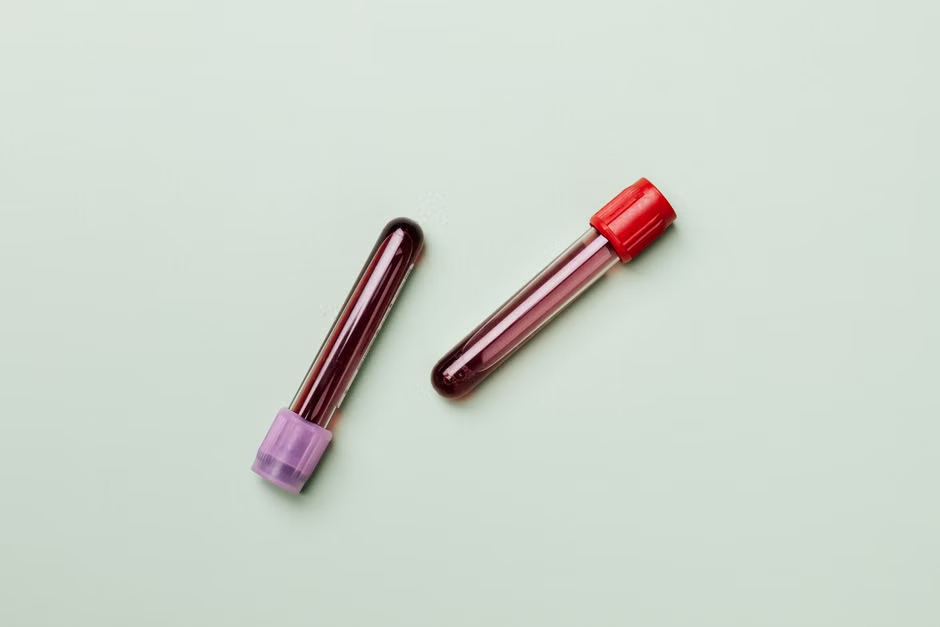
Blood serum testing involves drawing a blood sample and analyzing the liquid component (serum) for various markers. This method provides a snapshot of what’s circulating in the bloodstream at the exact moment the sample is taken. It’s widely used for diagnosing acute conditions, monitoring disease progression, and assessing current nutrient levels that are actively being transported throughout the body.
Is hair analysis better than a blood test?
Neither hair analysis nor a blood test is inherently “better”; they offer different, complementary information. Blood tests show current, actively circulating levels of nutrients and toxins, ideal for acute assessments. Hair analysis provides a longer-term picture of mineral storage and heavy metal exposure over several weeks or months, reflecting cellular accumulation rather than just immediate bloodstream levels.
The choice between HTMA and blood testing depends entirely on the specific health question you’re trying to answer. For instance, if you’re assessing current blood glucose or cholesterol levels, a blood test is the clear choice, as we discuss when exploring lipid panel testing. However, for a historical view of mineral balance or chronic exposure to certain elements, HTMA can offer unique insights that blood might miss due to its transient nature.
How accurate is hair mineral analysis?
Hair mineral analysis accuracy depends heavily on sample collection, lab procedures, and interpretation. When performed by a reputable lab using validated methods, HTMA can reliably reflect long-term mineral trends and heavy metal exposure. However, external contaminants like shampoos or hair treatments can affect results, and it doesn’t always correlate directly with acute blood levels.
At Daydream Health Lab, we emphasize scientific integrity and validated testing procedures to ensure the highest possible accuracy for all our analyses. Our modern laboratory facilities in San Jose operate within a controlled environment, which minimizes the risk of external contamination and ensures reliable data. Margaret Anderson, our Head of Laboratory, oversees these processes, ensuring every sample undergoes precise analysis.
Is a heavy metal test better in blood or hair?
For heavy metals, both blood and hair tests provide valuable, yet distinct, information. Blood tests are best for recent or acute exposure to heavy metals, showing what’s currently circulating. Hair tests, conversely, are excellent for detecting chronic heavy metal accumulation over several weeks or months, as metals deposit in hair as it grows, providing a longer-term exposure history.
For example, a sudden, high exposure to lead might be immediately detectable in blood, but after a short period, blood levels can drop even if the metal has accumulated in tissues. Hair, however, can reveal this deeper tissue accumulation. “While blood testing identifies recent exposure, hair mineral analysis offers a crucial window into chronic heavy metal burden within the body’s tissues,” explains Dr. Emily Carrington, CEO of Daydream Health Lab.

What can hair analysis not determine?
Hair mineral analysis cannot determine acute or rapidly fluctuating conditions, immediate nutrient deficiencies, or exact blood levels of substances. It won’t tell you about current hormone levels, active infections, blood sugar regulation, or inflammatory markers. HTMA is also not suitable for diagnosing immediate, life-threatening conditions or for precise drug monitoring.
It’s important to understand HTMA’s scope. For diagnosing an active infection or assessing the body’s inflammatory response, a blood test, such as a complete blood count, would be far more appropriate. Likewise, if you’re trying to determine your current thyroid function, a specific blood panel for thyroid hormones is essential. HTMA provides a historical look at mineral excretion and deposition, not a real-time physiological snapshot.
Hair test for nutritional deficiencies accuracy
The accuracy of hair tests for nutritional deficiencies is a complex topic. While HTMA can indicate long-term patterns of mineral imbalance or excessive loss, it doesn’t always directly correlate with clinical nutrient deficiencies visible in blood. For instance, calcium levels in hair might suggest a trend, but a blood test combined with clinical symptoms is usually needed to diagnose osteoporosis. It’s a screening tool, not a definitive diagnostic test for acute deficiencies.
We approach hair testing as one piece of a larger puzzle. For a precise understanding of acute nutritional status, a comprehensive metabolic panel or specific vitamin/mineral blood tests are often necessary. As Eric Obrien, a blog contributor at Daydream Health Lab, often emphasizes, interpreting these tests requires a holistic view, considering lifestyle, diet, and other clinical markers.
How It Works: The Mechanics Behind the Tests
Hair Mineral Analysis Process:
- A small sample of hair, typically from the nape of the neck, is collected. About 1 gram of hair is needed, cut close to the scalp.
- The sample is sent to a laboratory where it undergoes a specialized washing process to remove external contaminants.
- The hair is then digested in acids, and the mineral content is analyzed using techniques like Inductively Coupled Plasma Mass Spectrometry (ICP-MS).
- Results are provided as a report detailing the levels of various minerals and heavy metals, often with ratios and interpretations.
Blood Serum Testing Process:
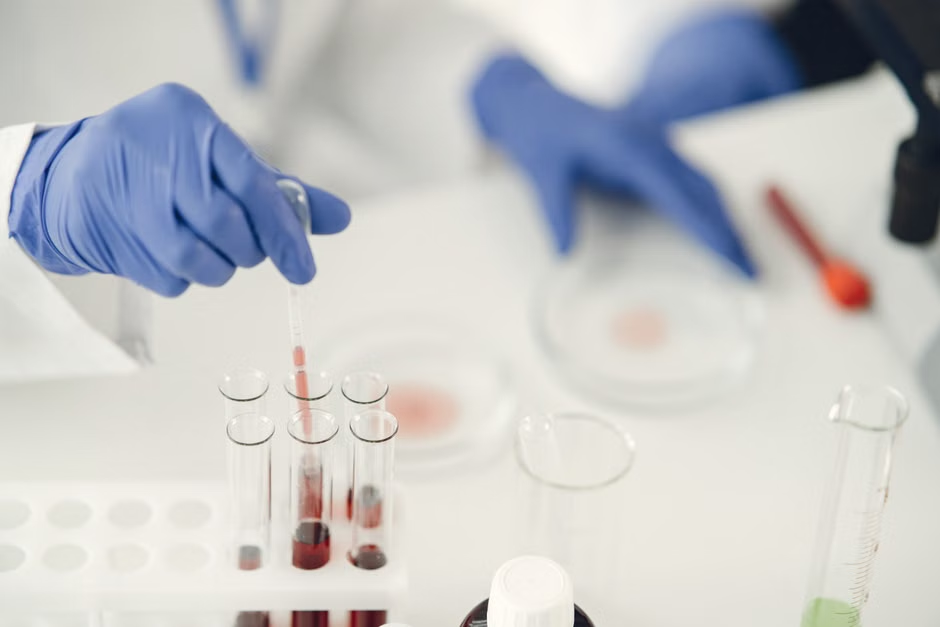
- A trained phlebotomist draws a blood sample, usually from a vein in your arm.
- The blood is collected in specific tubes, often containing anticoagulants or gels, depending on the tests ordered.
- In the lab, the blood is centrifuged to separate the serum (the liquid component) from blood cells.
- The serum is then analyzed for specific biomarkers, nutrients, hormones, or other compounds using a wide array of laboratory techniques.
Both methods, when performed correctly, provide reliable data. The key difference lies in what that data represents: a historical average for hair, and a current snapshot for blood.
What To Look For: When to Consider Each Test
We utilize both hair and blood analysis because they offer different yet complementary insights. Here’s a quick guide:
- Consider Hair Mineral Analysis (HTMA) when you’re looking for:
- Long-term mineral trends and imbalances (e.g., calcium, magnesium, zinc, copper).
- Chronic heavy metal exposure (e.g., lead, mercury, arsenic, cadmium).
- A non-invasive screening tool for overall mineral metabolism.
- Insights into adrenal and thyroid patterns (in conjunction with other tests).
- Consider Blood Serum Testing when you’re looking for:
- Acute or immediate nutrient deficiencies (e.g., Vitamin D, B12).
- Current hormone levels (e.g., thyroid, sex hormones).
- Real-time markers of inflammation or infection.
- Organ function assessment (e.g., liver function tests, kidney function tests).
- Diagnosing specific medical conditions (e.g., diabetes, anemia).
Nuanced Suitability: Alternatives and Exceptions
While HTMA and blood tests are foundational, they aren’t the only tools in our diagnostic arsenal. We often recommend a combination of testing methods for the most complete picture. For example, urine testing can be superior for assessing certain forms of heavy metal excretion or for evaluating neurotransmitter metabolites. Saliva testing is often preferred for assessing active hormone levels due to its ability to reflect unbound, bioavailable hormones.
“No single test provides all the answers. A holistic diagnostic approach often involves combining different sample types—blood, hair, urine, and saliva—to capture both acute status and chronic patterns.”
In our practice, we have seen that relying on one test alone can lead to an incomplete understanding. For individuals concerned about both immediate health status and historical exposures, a layered approach with various validated methods yields the most precise analysis and actionable insights. This transparent approach, backed by our 400+ completed cases across lab services, ensures we provide the most comprehensive guidance.
What to Expect: Results and Timelines
The timeline for receiving results can vary. For most standard blood serum tests, results are typically available within 24-72 hours, though specialized tests may take longer. You’ll often receive a detailed report with your values compared to established reference ranges. Interpreting these results often requires the guidance of a healthcare professional who can consider your individual health history and symptoms.
Hair mineral analysis results usually take longer, typically 2-3 weeks from the time the lab receives the sample. This is due to the more complex processing and analytical methods involved. The reports are often more interpretive, highlighting patterns and ratios that suggest potential mineral imbalances or heavy metal burdens. Discussion with a qualified practitioner is essential to translate these patterns into personalized health strategies.
Practical Tips for Choosing and Preparing for Your Test
Making an informed decision about your diagnostic testing involves several considerations. Here are some practical tips:
- Consult Your Healthcare Provider: Always discuss your symptoms and health goals with a doctor or qualified health professional. They can help determine which tests are most appropriate for your specific situation.
- Choose a Reputable Lab: Ensure the lab performing your tests is accredited and uses validated methods. At Daydream Health Lab, our commitment to scientific integrity and documented quality control workflows means you receive precise analysis.
- Understand the Limitations: Be aware that no single test provides a complete picture. Results should always be interpreted in the context of your overall health, diet, lifestyle, and other diagnostic findings.
- Follow Collection Instructions Carefully: For HTMA, avoid harsh hair treatments or dyeing before collection. For blood tests, fasting might be required, so follow your provider’s instructions precisely.
- Consider Combined Testing: For a truly comprehensive view, combining HTMA with specific blood panels, like a comprehensive metabolic panel, can offer a powerful synergistic diagnostic approach, providing both a long-term historical view and an acute snapshot.
Choosing between hair mineral analysis and blood serum testing doesn’t have to be a confusing choice. By understanding what each test offers, its strengths, and its limitations, you and your healthcare provider can select the most appropriate tools to gain clear, reliable insights into your health. Our team of 20-member expert staff and modern laboratory facilities are dedicated to providing the precise analysis you need for informed health management, helping you uncover the hidden insights within your body’s chemistry.