
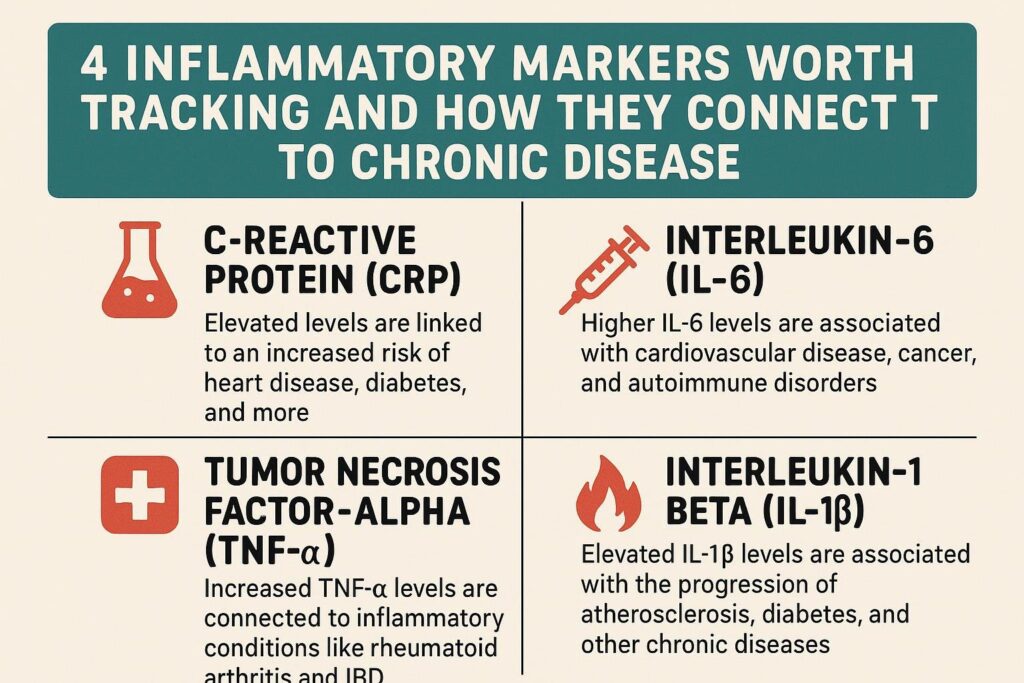
Chronic diseases are on the rise. They come in many forms including heart disease, diabetes, and arthritis. One common underlying factor in these conditions is inflammation. Inflammation is a biological response. This response can sometimes go awry, leading to disease. To understand and manage chronic diseases, it’s crucial to track certain inflammatory markers. Here, we explore four key inflammatory markers and their connection to chronic diseases. By understanding these markers, we can take steps to improve health outcomes.
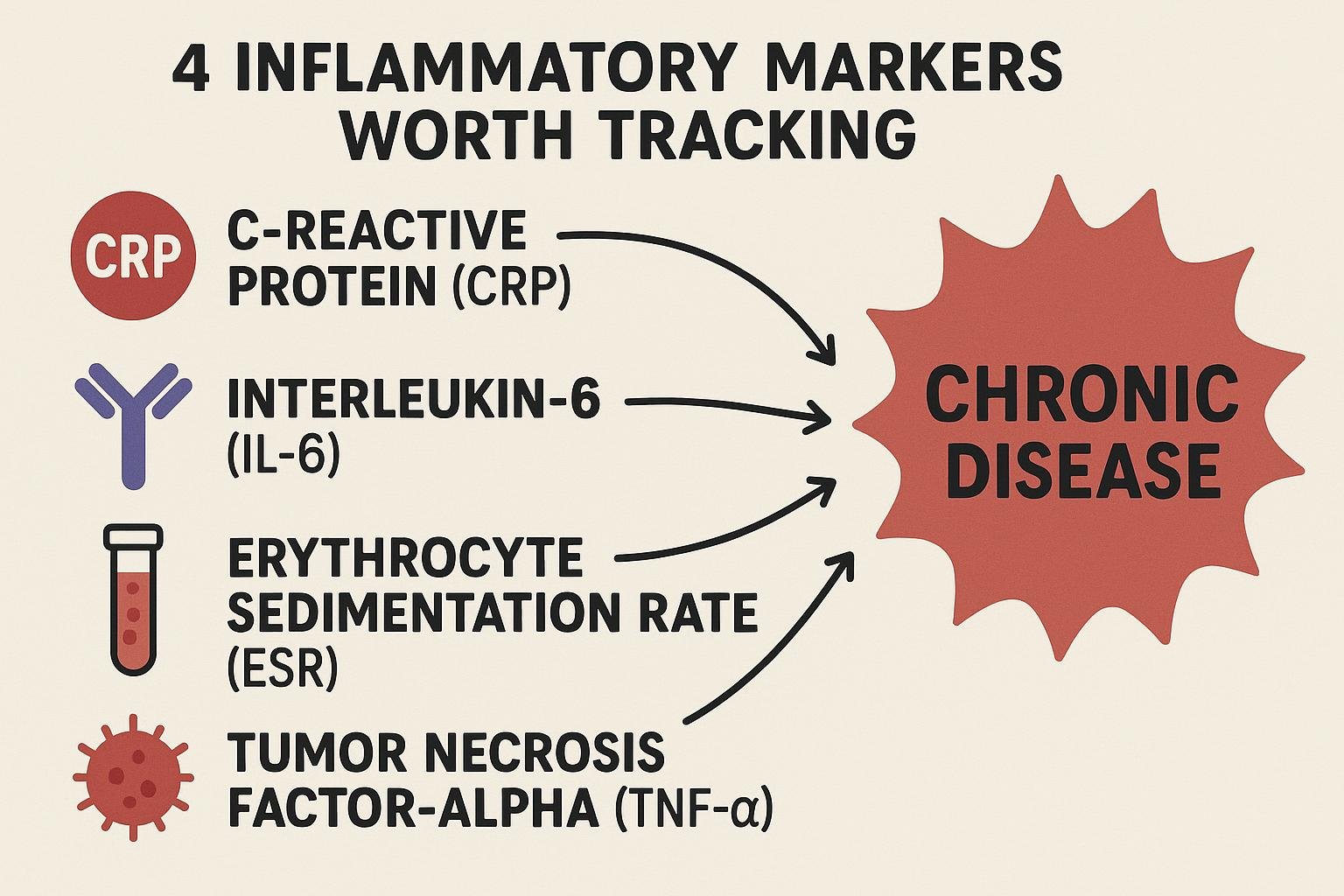
1. C-Reactive Protein (CRP)
What is CRP?
CRP is a substance produced by the liver. The liver releases CRP in response to inflammation. High CRP levels can suggest inflammation in the body.
Connection to Chronic Disease
CRP levels are often elevated in chronic diseases like heart disease and rheumatoid arthritis. High CRP levels can increase the risk of heart attacks. Monitoring CRP helps in assessing the risk and progression of these conditions.
Pros and Cons of Measuring CRP
Pros:
- It is a sensitive marker of inflammation.
- It provides early warning signs of inflammation-related health issues.
Cons:
- It is not specific; many conditions can cause elevated CRP levels.
- It requires a blood test for measurement.
2. Erythrocyte Sedimentation Rate (ESR)
What is ESR?
ESR measures how quickly red blood cells settle at the bottom of a test tube. A fast rate indicates inflammation.
Connection to Chronic Disease
ESR is used to detect inflammation related to chronic diseases like lupus, rheumatoid arthritis, and systemic vasculitis. It helps in tracking disease activity, helping guide treatment plans.
Pros and Cons of Measuring ESR
Pros:
- It is simple and inexpensive.
- It helps track the progress of inflammatory diseases.
Cons:
- It is less specific than CRP.
- Several factors like age and anemia can affect ESR.
3. Interleukin-6 (IL-6)
What is IL-6?
IL-6 is a cytokine. Cytokines are proteins important for immune responses. IL-6 plays a role in inflammation and infection responses.
Connection to Chronic Disease
Elevated IL-6 levels have been linked to conditions such as cancer, diabetes, and Alzheimer’s disease. IL-6 can promote inflammation, worsening these conditions.
Pros and Cons of Measuring IL-6
Pros:
- It is directly linked to inflammation processes.
- It provides insights into the severity and cause of inflammation.
Cons:
- It is a complex marker, influenced by many factors.
- Testing it can be costly and less accessible.
4. Tumor Necrosis Factor-alpha (TNF-alpha)
What is TNF-alpha?
TNF-alpha is a cytokine involved in systemic inflammation. It plays a role in immune system regulation.
Connection to Chronic Disease
High levels of TNF-alpha are associated with chronic inflammatory diseases like Crohn’s disease and psoriasis. It contributes to the damage in chronic autoimmune diseases.
Pros and Cons of Measuring TNF-alpha
Pros:
- It is critical in understanding autoimmune conditions.
- It provides a target for certain treatments.
Cons:
- It requires specialized tests.
- Levels can be influenced by factors other than inflammation.
Incorporating These Markers Into Health Management
Understanding and tracking inflammatory markers are essential. They help in early detection and management of chronic diseases. Regular screening for these markers can guide treatment decisions and lifestyle changes.
Lifestyle Changes:
- Adopt an anti-inflammatory diet rich in fruits, vegetables, and whole grains.
- Engage in regular physical activity.
- Manage stress through mindfulness and relaxation techniques.
Medical Monitoring:
- Regularly consult with healthcare providers.
- Use medications as prescribed to manage inflammation.
- Consider supplements like omega-3 fatty acids that may help reduce inflammation.
Conclusion
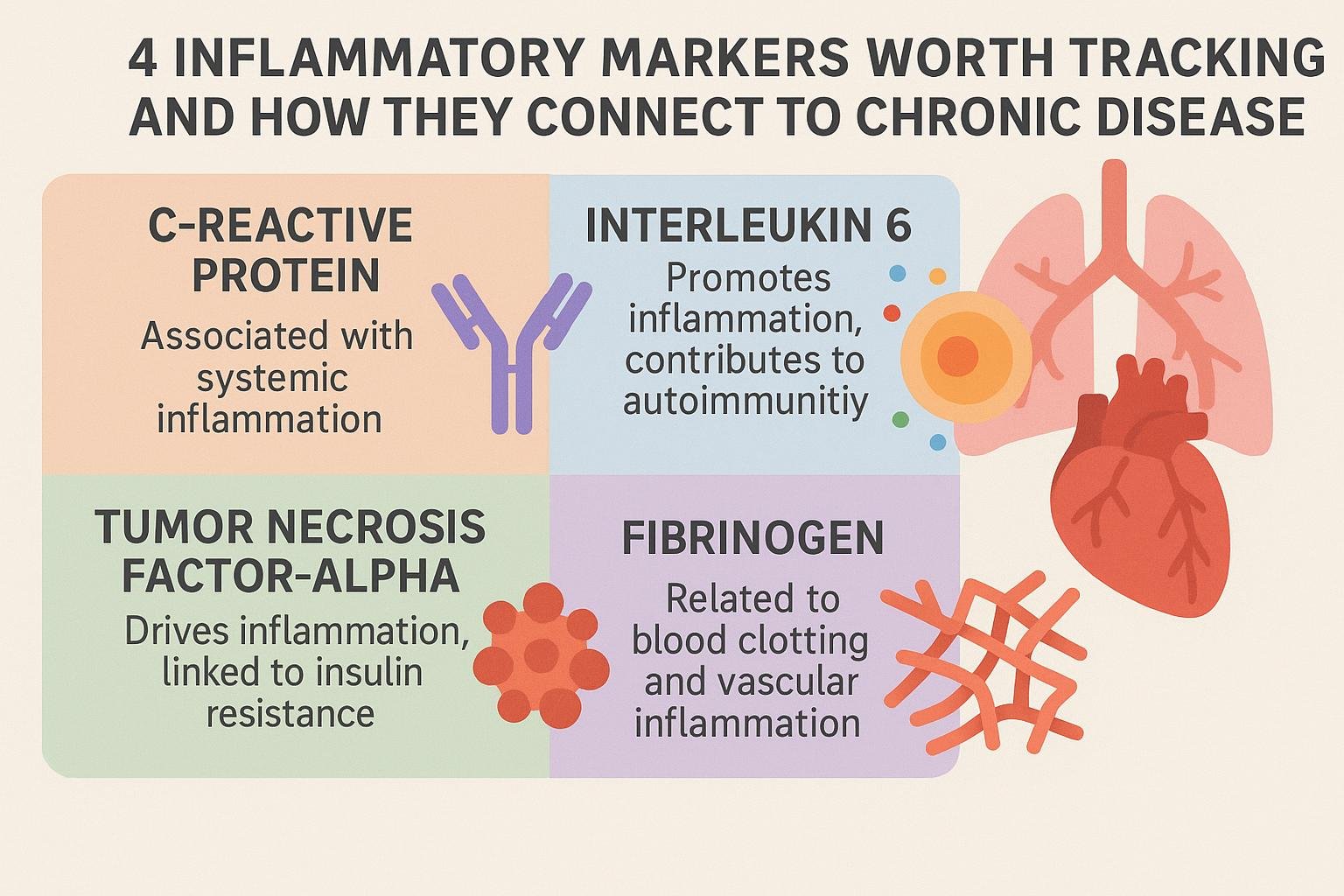
Inflammation is a silent threat in chronic diseases. Tracking CRP, ESR, IL-6, and TNF-alpha offers valuable insights. These markers are tools that can help manage health and reduce the risk of severe outcomes. By taking a proactive approach and working with healthcare professionals, you can slow the progression of chronic diseases and enhance quality of life.
Regular monitoring, lifestyle changes, and proper medical care are keys to controlling inflammation. Understanding these markers empowers you to make informed health decisions. Stay informed and proactive in your health journey.