

Feeling sluggish, experiencing persistent fatigue, or struggling with unexplained health issues? Sometimes, the answer isn’t a major illness, but rather a subtle imbalance in the essential vitamins and minerals your body needs to function optimally. Our bodies rely on a complex symphony of micronutrients, and even minor deficiencies can impact everything from energy levels to immune response.
Many people are surprised to learn they could have a hidden nutrient shortfall, even with a seemingly healthy diet. Traditional blood tests often focus on macronutrients or broader health markers, potentially missing the crucial details of your micronutrient status. Understanding your individual nutritional landscape is key to proactive health management.
At Daydream Health Lab, we provide clear, reliable insights into your body’s specific needs. We believe everyone deserves dependable, easy-to-understand knowledge backed by solid research to make smarter health decisions. That’s why we offer advanced diagnostics like micronutrient panel testing, providing precise analysis that goes beyond the surface. You can learn more about how we approach various diagnostic tools on our home page.
What is a comprehensive micronutrient panel?
A comprehensive micronutrient panel is a specialized blood test that evaluates the levels of various vitamins, minerals, antioxidants, and amino acids within your cells. Unlike standard blood tests that measure serum levels, these panels often assess intracellular nutrient status, providing a more accurate picture of long-term nutrient availability and utilization by the body’s cells.
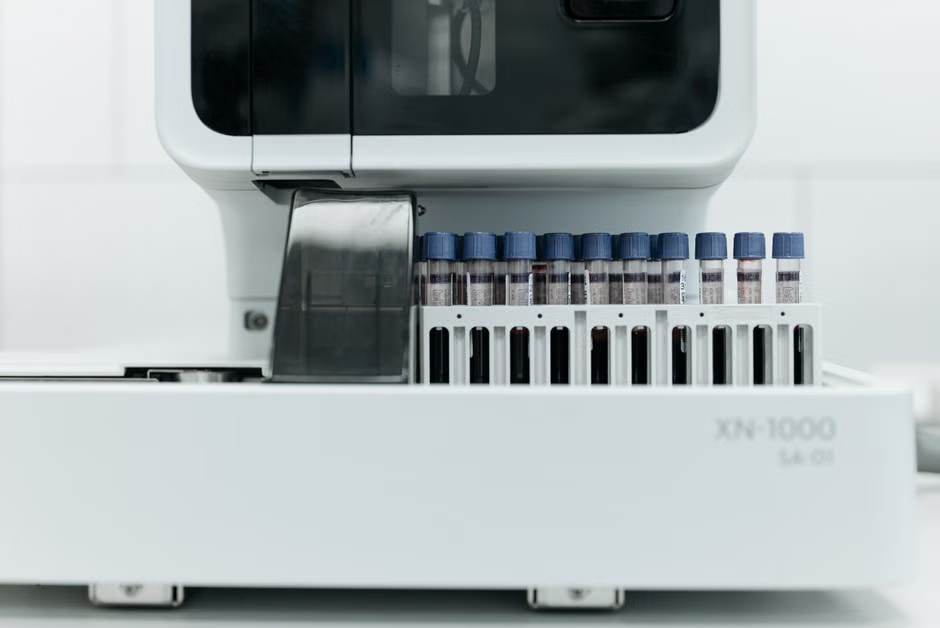
This type of panel offers a detailed look at whether your body is absorbing and utilizing nutrients effectively at a cellular level. We utilize validated methods in our modern laboratory facilities to analyze these samples, ensuring the data we provide is accurate and actionable. This detailed analysis can reveal deficiencies that might not show up on a routine blood test, offering a deeper understanding of your nutritional health.
What is a comprehensive nutritional assessment?
A comprehensive nutritional assessment involves a multi-faceted evaluation of an individual’s nutritional status, combining laboratory testing with a detailed review of dietary intake, lifestyle factors, medical history, and physical examination. It aims to identify specific nutrient deficiencies or excesses that may be contributing to health concerns or hindering optimal wellness.
This assessment is more than just a single test; it’s a holistic approach. It typically includes gathering information about your current diet, any medications you’re taking, your activity levels, and any symptoms you’re experiencing. Combining this clinical picture with precise analysis from lab tests, like a micronutrient panel, allows us to provide evidence-based recommendations. It’s about connecting the dots between your diet, your lifestyle, and your cellular health to paint a full picture.
How Micronutrient Panel Testing Works
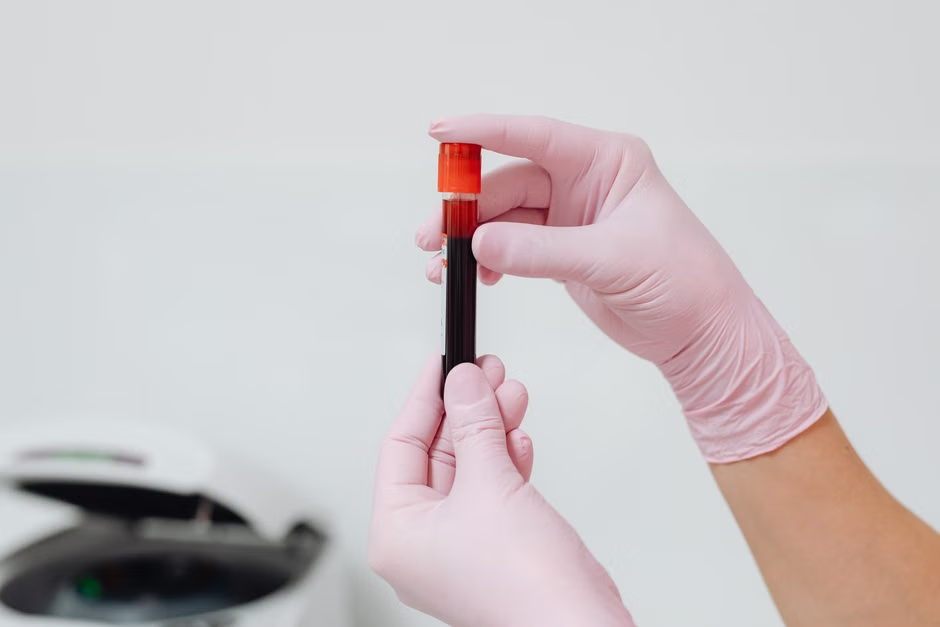
The process for a micronutrient panel blood test typically begins with a simple blood draw, similar to other common lab tests. Once collected, the sample is sent to a specialized laboratory where it undergoes sophisticated analysis. Our team, which includes a 20-member expert staff, processes these samples in a controlled environment, employing precise instruments and techniques.
Instead of merely measuring the amount of a nutrient circulating in your blood plasma (which can fluctuate based on recent intake), many comprehensive micronutrient panels assess the levels inside white blood cells. This intracellular measurement reflects a longer-term nutritional status, often indicating what nutrients your body has been successfully integrating for the past several months. According to the National Institutes of Health (NIH), assessing nutrient status often requires more complex methods than simple blood serum levels, especially for certain vitamins and minerals, to truly understand cellular availability.1
After the analysis, you receive a detailed report outlining your levels for each specific nutrient tested. This report highlights any deficiencies, insufficiencies, or even excesses, offering actionable insights. We’ve handled over 400 completed cases across our lab services, providing individuals and healthcare professionals with these critical insights through our documented quality control workflows.
When To Order a Comprehensive Nutrient Assessment
Considering a comprehensive nutrient assessment is beneficial if you’re experiencing persistent symptoms or looking for ways to optimize your health. These tests are not just for those with diagnosed deficiencies; they’re also valuable for preventive medicine and personalized wellness plans. Here are some situations where it could be particularly useful:
- Persistent Fatigue or Low Energy: If you’re constantly tired despite adequate sleep, nutrient deficiencies like B vitamins or iron could be playing a role.
- Digestive Issues: Conditions like Crohn’s disease, celiac disease, or chronic diarrhea can impair nutrient absorption, leading to deficiencies.
- Chronic Stress or Mood Swings: Certain nutrients, like magnesium and various B vitamins, are crucial for neurological function and stress response.
- Weakened Immune System: Frequent infections or slow wound healing might signal deficiencies in zinc, vitamin C, or vitamin D.
- Specific Dietary Lifestyles: Vegetarians, vegans, or individuals on restrictive diets may need to monitor specific nutrients more closely.
- Unexplained Hair Loss, Skin Issues, or Brittle Nails: These can sometimes be indicators of deficiencies in biotin, iron, or other minerals.
- Chronic Health Conditions: Many chronic diseases, including diabetes and heart disease, can impact nutrient status or increase nutrient requirements. For example, understanding your lipid profile is vital for cardiovascular health, and we explain more in our post on Lipid Panel Testing: Total Cholesterol, HDL, LDL, and Triglycerides Explained.

Do you need to fast for a SpectraCell micronutrient test?
For some types of micronutrient tests, including certain SpectraCell panels, fasting is generally not required. However, specific instructions can vary depending on the exact panel ordered, so it’s always best to confirm with the lab or your healthcare provider to ensure accurate results and proper preparation.
While a general fasting period isn’t typically necessary, we always recommend avoiding any new or high-dose vitamin or mineral supplements for at least 24-48 hours before the test unless instructed otherwise by your physician. This helps ensure that the test reflects your usual nutrient status rather than a temporary spike from recent supplementation. Always follow the precise instructions provided by your ordering clinician or our lab directly.
Considering Alternatives and Suitability
While comprehensive micronutrient panels offer invaluable insights, it’s important to understand they are one piece of a larger health puzzle. We advocate for an evidence-based approach, which means considering all relevant diagnostic tools. For example, while a micronutrient panel looks at vitamins and minerals, other tests are crucial for broader metabolic health. We often recommend considering a Comprehensive Metabolic Panel Explained: What Each Marker Reveals to assess kidney function, liver function, blood glucose, and electrolyte balance.
Not everyone needs this level of detailed nutrient testing immediately. For some, starting with lifestyle adjustments, a balanced diet, and foundational blood work might be the first step. For others, particularly those with chronic conditions, specific dietary restrictions, or unexplained symptoms, a micronutrient panel provides a more targeted approach. It’s crucial to consult with a qualified healthcare professional who can interpret your results within the context of your overall health profile.
“A comprehensive nutritional assessment should be a collaborative effort between the patient and their healthcare provider, integrating clinical symptoms, dietary history, and laboratory findings to develop a personalized and effective intervention plan.”
In our practice, we’ve seen that comparing different testing methodologies can also be beneficial. For instance, in our guide on Hair Mineral Analysis vs Blood Serum Testing: Which Method Is More Accurate, we discuss the nuances of how different sample types provide varying insights into mineral status.
What To Expect From Your Results and a Realistic Timeline
Once your sample is collected, you can typically expect your comprehensive micronutrient panel results within 10-14 business days. This timeframe allows for the precise analysis and thorough quality checks that ensure the accuracy of your report. You’ll receive a detailed report, often presented with clear visual indicators, showing where your levels fall within optimal ranges.
Interpreting these results is key. Our reports are designed to be clear, but we always recommend discussing them with your healthcare provider. They can help you understand what each marker means for your specific health situation and guide you on the next steps, whether that involves dietary changes, targeted supplementation, or further investigation. Remember, a single test provides a snapshot; consistent monitoring and an integrated approach to health yield the best long-term outcomes.
“Accurate nutrient assessment is fundamental to personalized nutrition, but it requires careful interpretation of validated biomarkers in the context of an individual’s diet, lifestyle, and health status.”
Eric Obrien, a blog contributor at Daydream Health Lab, often emphasizes that understanding your lab results is empowering. It’s about gaining clear, reliable insights that help you and your provider develop a truly personalized wellness strategy. Our commitment to scientific integrity means every report is grounded in research-backed, validated methods.
Practical Tips for Optimizing Your Nutrient Levels
Once you have your micronutrient panel results, you can take proactive steps to address any imbalances. Here are some practical tips:
- Prioritize Whole, Nutrient-Dense Foods: Focus on a diet rich in fruits, vegetables, lean proteins, and healthy fats. These foods naturally provide a broad spectrum of vitamins and minerals.
- Consider Targeted Supplementation: Based on your test results and a healthcare professional’s guidance, targeted supplements can help correct specific deficiencies more efficiently than diet alone.
- Optimize Digestion: A healthy gut is crucial for nutrient absorption. Support digestive health with probiotics, prebiotics, and by addressing any underlying gut issues.
- Stay Hydrated: Water is essential for countless bodily functions, including nutrient transport and absorption.
- Manage Stress: Chronic stress can deplete certain nutrients, particularly B vitamins and magnesium. Incorporate stress-reducing practices into your daily routine.
- Regularly Re-evaluate: Nutrient needs can change over time due to diet, lifestyle, age, and health status. Periodic retesting can help you monitor progress and adjust your strategy.
At Daydream Health Lab, we’re dedicated to bringing you in-depth research and precise analysis to empower you with actionable insights. We believe that with clear information, you’re better equipped to take charge of your health journey and pursue optimal wellness.