

Understanding your body’s hormone levels is a foundational step in managing overall health and performance. For men, testosterone and dihydrotestosterone (DHT) play pivotal roles in everything from muscle mass and energy levels to mood and sexual function. When these hormones are out of balance, it can significantly impact quality of life, leading to frustrating symptoms that often go unaddressed.
Many men experience a range of symptoms they might dismiss as “just getting older,” but often, these are clear signals that hormone levels need attention. Knowing what to test for and how to interpret the results empowers you to take informed action. We believe you deserve better than confusing information, which is why we’re committed to offering dependable, easy-to-understand knowledge backed by solid research.
At Daydream Health Lab, we bring you in-depth research, precise analysis, and actionable insights that help you make smarter health decisions. Our commitment to scientific integrity ensures that when you seek testing for male hormones, you receive results you can trust. As we often explain in our guide on Cortisol Levels and Stress: How to Test Your Adrenal Function, understanding your internal chemistry is key to optimal wellness.
What are Testosterone and DHT, and Why Do They Matter?
Testosterone is the primary male sex hormone, crucial for the development of male reproductive tissues and secondary sexual characteristics. DHT, or dihydrotestosterone, is a more potent androgen derived from testosterone through the action of the enzyme 5-alpha reductase. While testosterone is vital, DHT is responsible for many male characteristics, including hair growth (or loss), prostate development, and libido, but it can also contribute to conditions like benign prostatic hyperplasia (BPH) and male pattern baldness.
Both hormones are essential for male physiology, influencing energy, mood, muscle mass, bone density, and red blood cell production. Imbalances can lead to a cascade of issues. For example, a 2023 study published in BMC Medicine highlighted the increasing prevalence of testosterone deficiency and its broad impact on cardiometabolic health and quality of life across different age groups (pubmed.ncbi.nlm.nih.gov). Understanding the basics in testing these hormones allows for targeted health strategies.
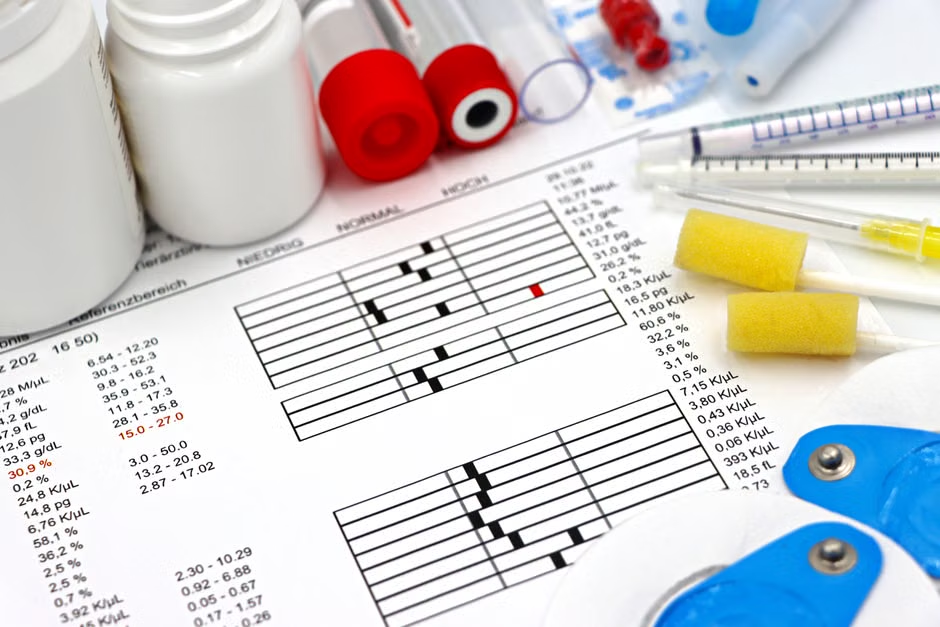
Does a Testosterone Test Measure DHT?
Generally, a standard testosterone test does not directly measure DHT. These are distinct hormones, and while DHT is synthesized from testosterone, specific testing is required to assess DHT levels separately. A routine total and free testosterone panel will not provide information on your DHT status.
To get a clear picture of both hormones, we often recommend specific panels that include both total and free testosterone, alongside DHT. Our approach to pathology testing protocols ensures that when we investigate hormonal profiles, we provide a complete, precise analysis. We understand that accurate data is paramount, so we utilize validated methods to distinguish between these critical hormone measurements.
How to Test DHT in Men?
DHT levels in men are typically measured through a blood test. This involves drawing a blood sample, usually in the morning when hormone levels are often at their peak, which is then sent to a laboratory for analysis. The test measures the amount of dihydrotestosterone circulating in your bloodstream.
Preparation for a DHT test usually involves fasting for a period before the blood draw, as food can sometimes impact hormone levels. Your healthcare provider will give you specific instructions. This process is similar to how we test other hormonal markers, as discussed in our detailed post on Female Hormone Testing at Different Life Stages, ensuring consistent and reliable sample collection for accurate results.
Is the DHT Test Worth It?
The DHT test can be very worthwhile, especially for men experiencing symptoms related to either androgen excess or deficiency, or those concerned about specific conditions where DHT plays a central role. It provides crucial information that a standard testosterone test cannot, guiding targeted interventions.
For instance, if you’re experiencing male pattern baldness, benign prostatic hyperplasia (BPH), or certain forms of acne, assessing DHT levels can help pinpoint the underlying cause. Conversely, if you have very low libido despite normal testosterone, a DHT deficiency might be a factor. Our 20-member expert staff often recommends DHT testing when a fuller hormonal picture is needed, enabling more precise health management.
“While testosterone captures significant attention, the role of DHT in specific conditions like hair loss and prostate health cannot be overlooked. Targeted DHT testing provides essential diagnostic clarity that often leads to more effective, personalized treatment plans.”
What Are the Symptoms of Low T?
Low testosterone, often referred to as “low T,” can manifest through a variety of symptoms that can significantly affect a man’s physical and mental well-being. These symptoms can be subtle at first but often worsen over time.
Recognizing these signs early can prompt timely testing and intervention. Here are some common indicators we see in our practice:
- Reduced sex drive (libido)
- Erectile dysfunction
- Fatigue and decreased energy levels
- Loss of muscle mass and strength
- Increased body fat, particularly around the abdomen
- Decreased bone density
- Mood changes, including depression and irritability
- Difficulty concentrating or “brain fog”
- Reduced body hair
- Hot flashes (less common, but possible)
When these symptoms interfere with daily life, a comprehensive hormone panel is often recommended. This includes not just testosterone and DHT but also other related markers that provide clear, reliable insights into your hormonal health.
Understanding Your Testosterone Blood Test Results
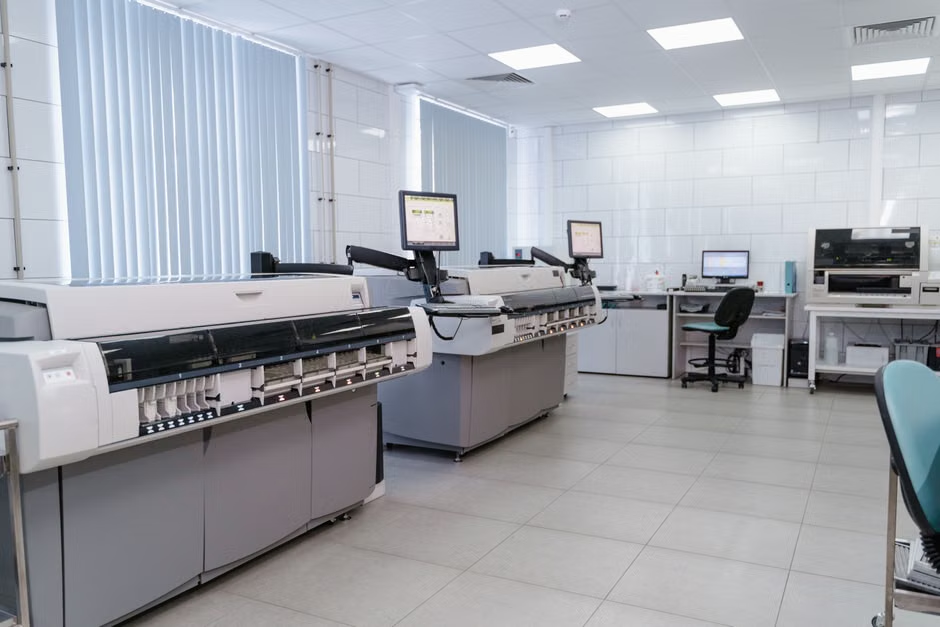
Interpreting testosterone blood test results involves more than just looking at a single number. We evaluate total testosterone, free testosterone, and often other markers like Sex Hormone Binding Globulin (SHBG) and albumin. Total testosterone measures all the testosterone in your blood, while free testosterone is the biologically active form that’s not bound to proteins and can be used by your body’s tissues.
Reference ranges for testosterone can vary slightly between laboratories, but generally, normal total testosterone levels for adult men fall between 300 to 1,000 nanograms per deciliter (ng/dL). Free testosterone levels are typically between 50 to 200 picograms per milliliter (pg/mL). However, an optimal level for one person might be considered suboptimal for another, depending on age, symptoms, and overall health. We believe in providing actionable insights, so we don’t just give you numbers; we help you understand what they mean for *your* health picture.
“Normal testosterone levels exist within a broad range, and it’s essential to consider a patient’s age, symptoms, and individual health goals when interpreting results rather than relying solely on reference intervals. Clinical context is always paramount.”
Practical Tips for Optimizing Male Hormonal Health
Beyond testing, several lifestyle factors significantly influence your hormone levels. Taking a proactive approach can help maintain healthy testosterone and DHT balance, potentially alleviating symptoms and improving overall wellness. Our validated testing procedures and calibrated instruments provide the data; these tips offer ways to act on it.
- Prioritize Quality Sleep: Aim for 7-9 hours of uninterrupted sleep per night. Poor sleep can dramatically lower testosterone levels.
- Engage in Regular Exercise: Incorporate both strength training and high-intensity interval training (HIIT) into your routine. Physical activity is a powerful stimulant for hormone production.
- Maintain a Balanced Diet: Focus on whole, unprocessed foods. Ensure adequate intake of healthy fats, protein, and complex carbohydrates. Nutritional deficiencies, as highlighted in our content on Omega-3 Index Testing, can impact hormone synthesis.
- Manage Stress Effectively: Chronic stress elevates cortisol, which can suppress testosterone production. Practice mindfulness, meditation, or other stress-reduction techniques.
- Limit Alcohol Consumption: Excessive alcohol intake can interfere with testosterone production and metabolism in the liver.
- Address Vitamin and Mineral Deficiencies: Key nutrients like Vitamin D and Zinc are crucial for testosterone synthesis. Consider testing for deficiencies if symptoms persist.
Choosing the Right Testing Approach
When considering hormone testing, it’s not always about testing everything, but rather testing smartly. For instance, while testosterone and DHT are crucial, sometimes a broader view of metabolic health or specific micronutrients can provide equally valuable insights. As Eric Obrien, our blog contributor, often emphasizes, understanding the context of your symptoms is key.
We believe in a transparent approach to health assessment. In some cases, a comprehensive thyroid panel might be more appropriate if fatigue is the primary symptom. For others, exploring Homocysteine Testing could uncover cardiovascular risks that indirectly impact vitality. Our expertise in pharmaceutical research analysis methodology and pathology testing protocols ensures we guide you toward the most relevant tests, avoiding unnecessary panels while still providing a complete picture.
Understanding your testosterone and DHT levels offers a powerful tool for navigating your health. By providing precise analysis and clear, reliable insights, Daydream Health Lab helps you uncover the facts behind your symptoms. We encourage you to discuss your symptoms and health goals with a healthcare professional, and consider how evidence-based laboratory testing can illuminate your path to better well-being.