
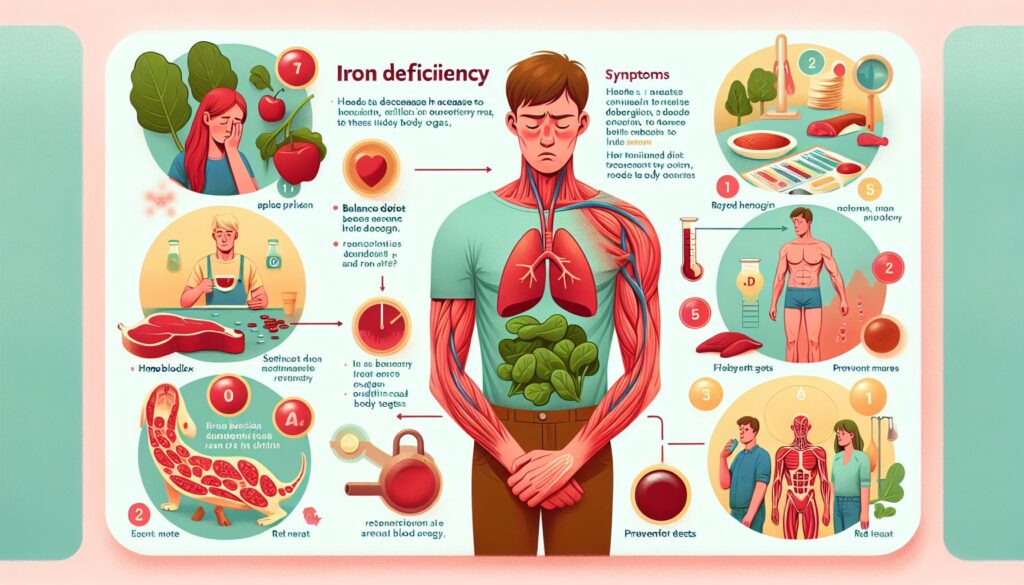
Iron deficiency affects millions worldwide. Understanding this condition is crucial for maintaining energy and overall health. This article covers five essential aspects of iron deficiency and its impact on energy levels.
1. Understanding Iron’s Role in the Body
Iron is a mineral found in every cell of the human body. It plays a significant role in producing hemoglobin, a protein in red blood cells. Hemoglobin is responsible for carrying oxygen from the lungs to other parts of the body.
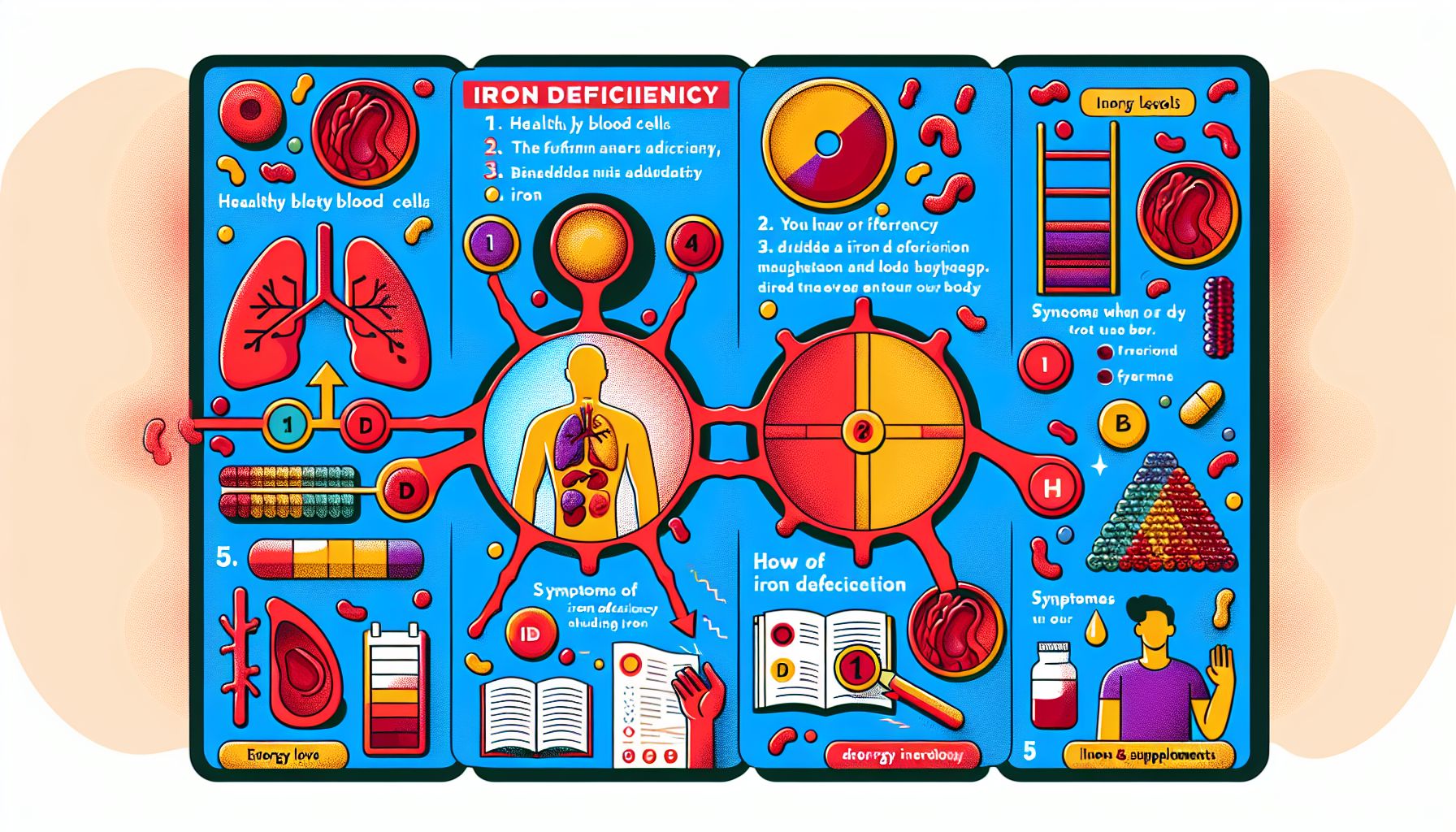
Without sufficient iron, the body cannot produce enough healthy red blood cells. This leads to reduced oxygen delivery to tissues and organs, affecting energy levels and overall functioning. Additionally, iron contributes to creating certain hormones and maintaining healthy skin, hair, and nails.
Key Points
- Iron helps produce hemoglobin.
- It facilitates oxygen transport in the body.
- Iron is necessary for certain hormone productions and maintaining skin, hair, and nail health.
2. Symptoms of Iron Deficiency
Identifying iron deficiency symptoms can help in taking prompt action. Common signs include extreme fatigue, weakness, pale skin, chest pain, and shortness of breath.
Other symptoms may include headaches, dizziness, and cold hands and feet. Some people may experience brittle nails, restlessness, and a sore tongue.
Key Points
- Fatigue and weakness are common symptoms.
- Physical signs include pale skin and dizziness.
- Iron deficiency may cause cold extremities and brittle nails.
3. Causes of Iron Deficiency
Iron deficiency occurs when your body does not have enough of this mineral. Reasons include inadequate dietary intake, increased need during growth or pregnancy, or heavy menstruation.
Certain medical conditions can also lead to iron deficiency. Examples are celiac disease, ulcers, or gastro-intestinal bleeding. Vegetarians and vegans are at risk if they do not consume appropriate iron-rich foods.
Key Points
- Causes include poor diet and increased need during pregnancy.
- Heavy menstruation can lead to iron loss.
- Medical conditions and diets lacking in iron-rich foods increase risk.
4. Iron Deficiency’s Impact on Energy Levels
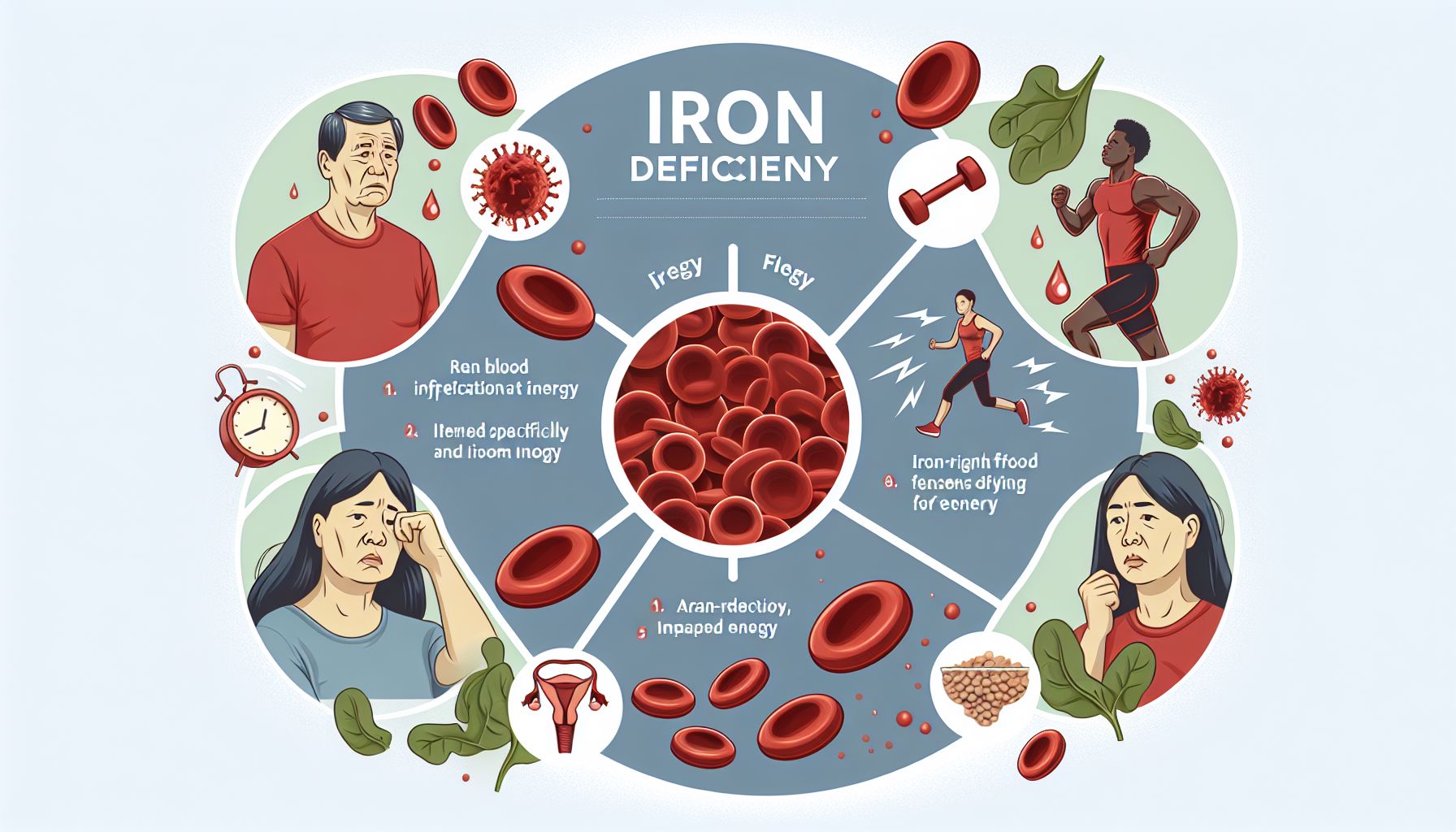
Iron deficiency anemia reduces energy by limiting oxygen delivery to muscles and tissues. This impairs physical performance and can lead to an overall feeling of sluggishness.
Iron plays a role in cognitive functions too. Lack of sufficient iron can lead to difficulty concentrating. This affects both physical and mental productivity, making daily tasks feel more exhausting.
Key Points
- Reduced oxygen delivery leads to low energy.
- Poor physical and mental performance occurs.
- Daily tasks become more challenging and tiring.
5. Addressing Iron Deficiency
Correcting iron deficiency involves increasing iron intake either through diet or supplements. Foods rich in iron include lean meat, seafood, beans, and iron-fortified cereals.
Vitamin C helps in the absorption of iron, making it beneficial to consume citrus fruits or juices with iron-rich foods. Doctors often recommend supplements to quickly correct deficiency.
For those unable to get sufficient iron through their diet alone, discussing supplement options with a healthcare professional is often the next step.
Key Points
- Dietary changes increase iron intake.
- Vitamin C aids in iron absorption.
- Supplements may be recommended.
Pros and Cons of Iron Supplements
Pros
- Quick improvement in iron levels.
- Increased energy and better concentration.
- Convenient for those with dietary restrictions.
Cons
- Potential side effects like constipation or stomach pain.
- Risk of overdose if taken incorrectly.
- May interact with other medications.
Conclusion
Iron deficiency is a common condition that significantly affects energy and overall well-being. Understanding its causes, symptoms, and treatments enables better management and prevention.
Maintaining a balanced diet, recognizing symptoms early, and seeking medical advice when necessary ensures sufficient iron levels and helps sustain energy and quality of life. While supplements offer a viable solution for many, dietary sources remain the healthiest approach to preventing deficiency. Balancing iron intake with foods that assist its absorption and being mindful of medical conditions can help maintain both energy and health.