

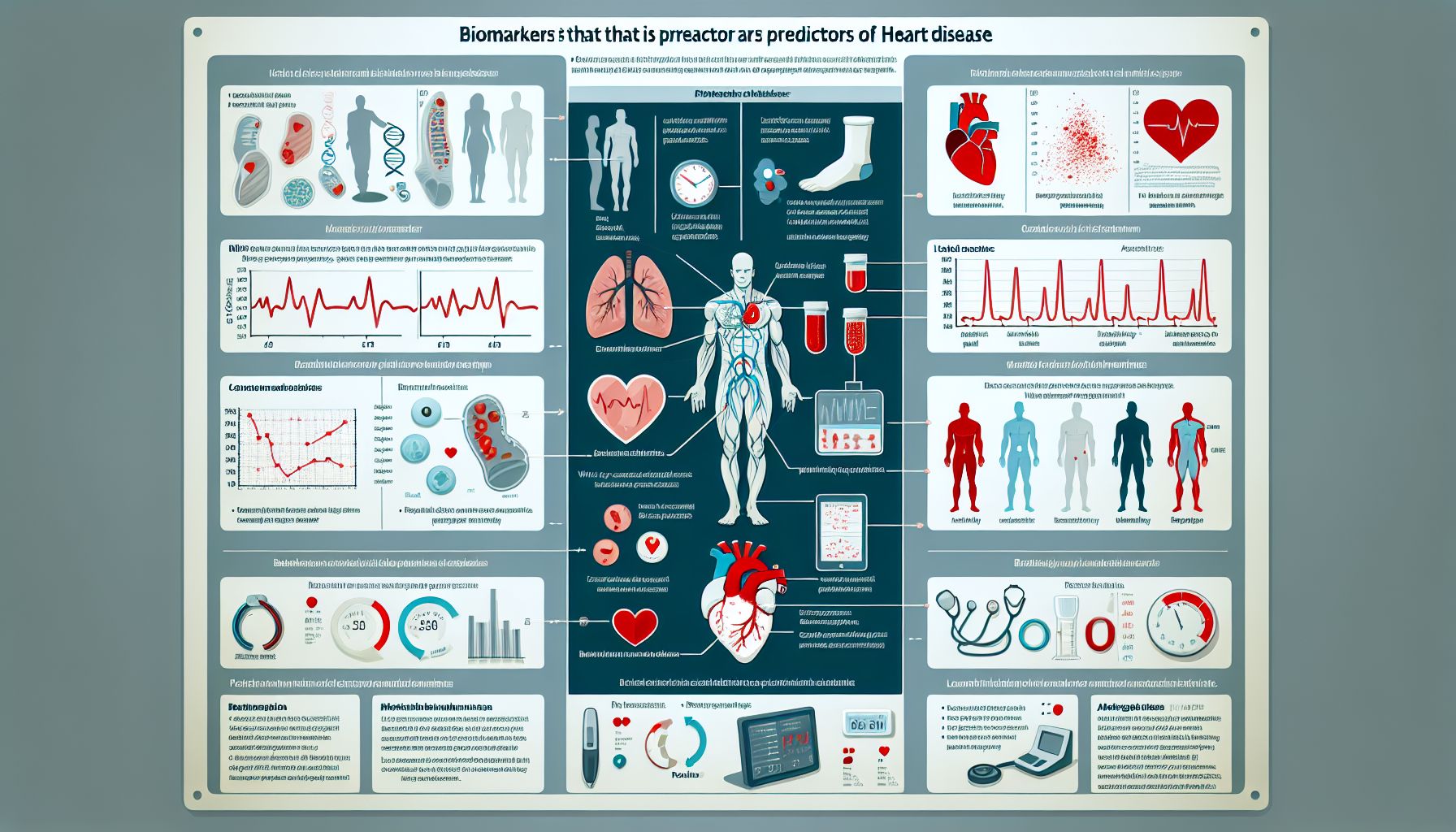
Heart disease remains a leading cause of death worldwide. Identifying biomarkers that can predict heart disease helps in early detection and prevention. Biomarkers are measurable indicators that can help diagnose the potential risk of developing heart disease. Here are eight significant biomarkers linked to heart disease and tips on how to monitor them.
1. Cholesterol Levels
Cholesterol is an essential fat in the body but excessive levels can be harmful. Total cholesterol includes low-density lipoprotein (LDL), high-density lipoprotein (HDL), and triglycerides. High LDL and triglycerides increase heart disease risk, while HDL protects against it.
- Monitoring: Get a lipid panel blood test regularly. Adults should check cholesterol every 4-6 years, or more often if previously abnormal.
2. Blood Pressure
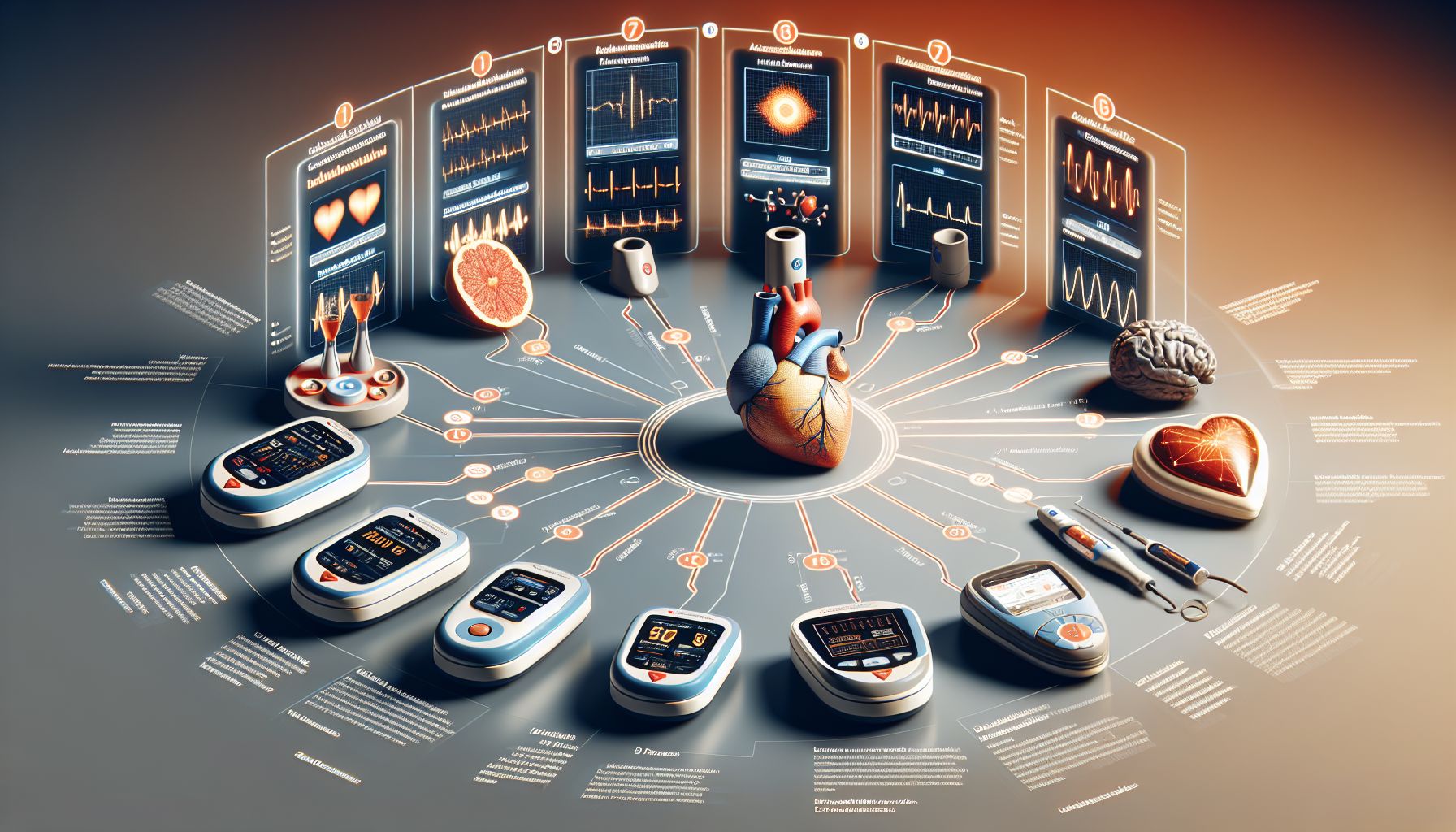
High blood pressure, or hypertension, forces the heart to work harder, increasing the risk of heart disease. Normal blood pressure is usually around 120/80 mmHg.
- Monitoring: Use a home blood pressure monitor. Track your readings and consult your doctor if your average remains high.
3. C-Reactive Protein (CRP)
CRP is produced by the liver in response to inflammation. Elevated CRP levels are associated with a higher risk of heart disease, indicating inflammation in the arteries.
- Monitoring: A high-sensitivity CRP test can determine your level. This test is usually advised for those at intermediate risk of heart disease.
4. Blood Sugar Levels
High blood sugar, or hyperglycemia, damages blood vessels and nerves. It is a significant indicator of heart disease risk, especially in people with diabetes.
- Monitoring: Measure fasting blood sugar levels regularly. A normal range for fasting blood sugar is below 100 mg/dL.
5. Homocysteine Levels
Homocysteine is an amino acid in the blood, and elevated levels can damage arteries. High homocysteine levels are associated with an increased risk of heart disease.
- Monitoring: Get a homocysteine blood test, especially if there is a family history of heart disease. Treatments include vitamin B supplements.
6. Lipoprotein(a)
Lipoprotein(a) is a type of LDL cholesterol. Elevated levels can lead to plaque build-up in arteries, increasing heart disease risk.
- Monitoring: Test lipid levels if you have a family history of heart disease or previously high LDL levels.
7. Fibrinogen
Fibrinogen is a blood protein involved in clot formation. High fibrinogen levels can increase clot risk, which may lead to heart attacks or strokes.
- Monitoring: A blood test measuring fibrinogen levels can help assess your risk.
8. Natriuretic Peptides
B-type natriuretic peptide (BNP) and N-terminal prohormone BNP (NT-proBNP) levels increase with heart failure. High levels signify existing heart conditions, even before symptoms arise.
- Monitoring: Regular heart assessments for those at risk. Tests like echocardiograms may accompany BNP level checks.
Importance of Regular Health Check-ups
Routine check-ups help in early detection of these biomarkers. Healthy lifestyle changes, such as a balanced diet, regular exercise, quitting smoking, and limiting alcohol, can positively impact many biomarkers. Consult your doctor for personalized advice.
Pros and Cons of Monitoring Biomarkers
Pros:
– Early detection of heart disease risk.
– Timely intervention and treatment.
– Improved management of existing conditions.
Cons:
– Frequent tests can be costly and time-consuming.
– False positives or negatives can occur.
Conclusion
Monitoring heart disease biomarkers is vital. Regular check-ups and lifestyle adjustments can significantly reduce your heart disease risk. Stay informed about your health status and maintain open communication with your healthcare provider.
Understanding and managing these markers is a proactive step toward a healthier heart and a healthier life. Pay attention to these biomarkers and consult healthcare professionals for tailored advice and intervention strategies. By staying informed and vigilant, individuals can make impactful changes to enhance their heart health and overall well-being.