
Many of us are familiar with the term “anemia,” often associating it with feeling tired and low energy. We might even know that hemoglobin levels are key to diagnosing it. But what if we told you that your iron status is a much more complex picture than a simple hemoglobin reading? You could be experiencing significant symptoms of iron deficiency even with hemoglobin levels that appear normal. This nuanced understanding is crucial for truly grasping your health.
Our bodies need iron for countless essential functions, far beyond just oxygen transport. When iron stores dip too low, it impacts everything from energy production and cognitive function to immune response. We see this often in our San Jose lab, where individuals present with fatigue and other non-specific symptoms, only to find their iron markers tell a different story than their initial blood count.
At Daydream Health Lab, we bring you in-depth research, precise analysis, and actionable insights that help you make smarter health decisions. We believe in looking beyond the surface, offering advanced testing to give you a clear, reliable picture of your iron health. Understanding the full scope of iron deficiency, as we explain in our guide to 5 Things to Know About Iron Deficiency and How It Impacts Energy, is the first step toward effective management.
What is Hemoglobin and Why Isn’t It the Whole Story?
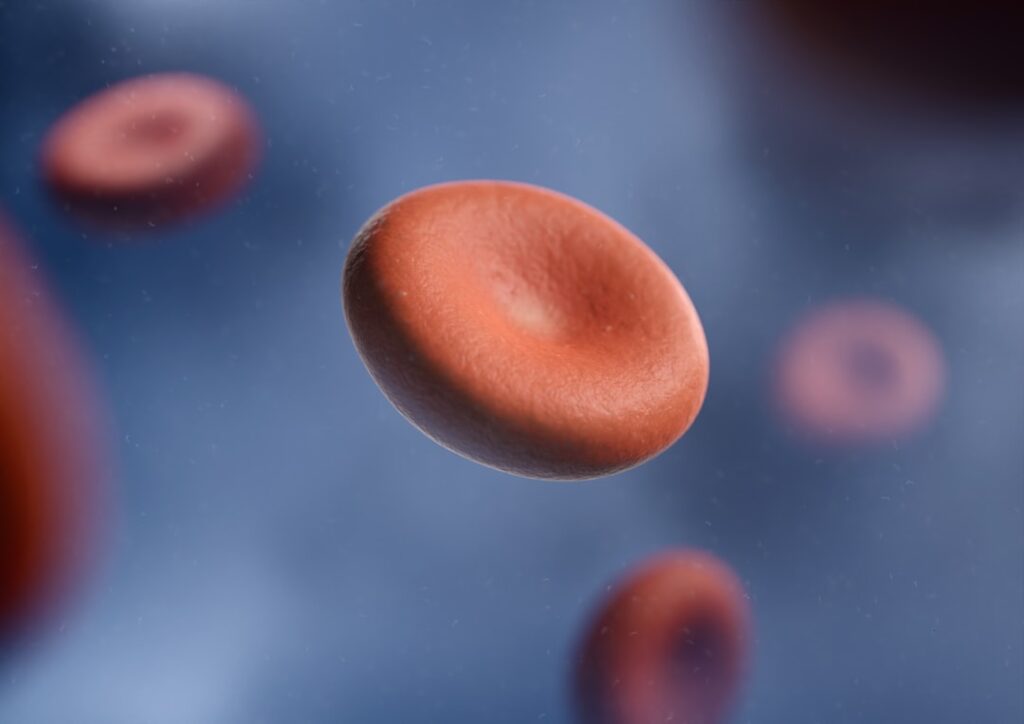
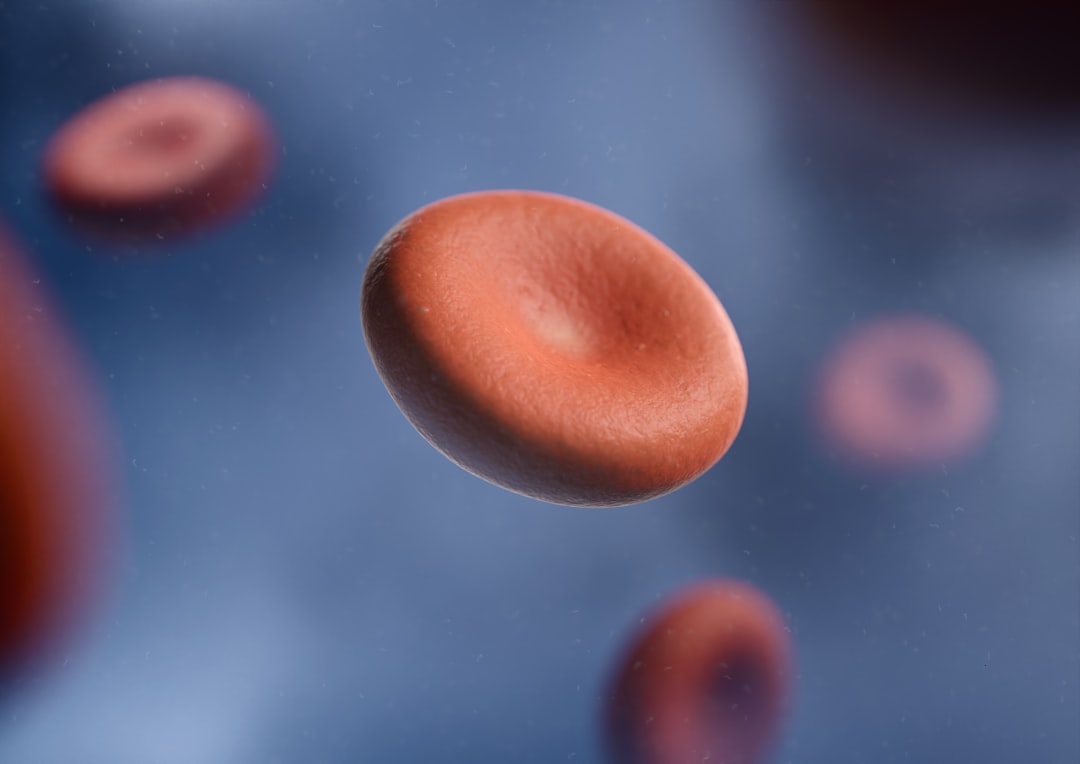
Hemoglobin is the protein in red blood cells that carries oxygen from your lungs to the rest of your body. A common complete blood count (CBC) test measures hemoglobin to check for anemia. While vital, hemoglobin levels primarily reflect the oxygen-carrying capacity of your blood at a given moment, not necessarily your body’s overall iron reserves.
Iron is a foundational element for health. It’s a critical component of hemoglobin, but also plays roles in energy metabolism, DNA synthesis, and immune function. Think of hemoglobin as the workforce currently on the job, while your ferritin levels represent the iron stored away in the company warehouse, ready to be called upon. Both are essential, but they tell different stories about your body’s iron supply. The National Institutes of Health (NIH) emphasizes iron’s role beyond oxygen transport, highlighting its involvement in various metabolic processes throughout the body.
“Iron’s significance extends far beyond its well-known role in oxygen transport. It’s a vital cofactor for numerous enzymes involved in energy production, immune response, and neurological function. Assessing iron status effectively requires evaluating multiple biomarkers, not just hemoglobin.”
— National Institutes of Health (NIH) Office of Dietary Supplements
Can You Have Low Iron But a Normal Hemoglobin?
Yes, it’s entirely possible to have low iron stores while your hemoglobin levels remain within the normal range. This condition is often referred to as “iron deficiency without anemia.” It means your body is still producing enough red blood cells with adequate hemoglobin, but its iron reserves (ferritin) are dwindling, leading to various symptoms.
This is where more advanced testing becomes invaluable. Simple hemoglobin tests might miss early stages of iron depletion because the body prioritizes maintaining hemoglobin levels. It will pull iron from its stores (ferritin) to keep hemoglobin stable for as long as possible. Once these stores are significantly depleted, then hemoglobin levels will start to fall, leading to iron deficiency anemia. Recognizing iron deficiency before it progresses to anemia is crucial for early intervention and preventing more severe symptoms.
What Causes Low Ferritin with Normal Hemoglobin?
Low ferritin with normal hemoglobin indicates that your body’s iron stores are low, but you haven’t yet developed anemia. Common causes include chronic blood loss (e.g., heavy menstrual periods, gastrointestinal bleeding), inadequate dietary iron intake, increased iron needs (e.g., pregnancy, rapid growth), and impaired iron absorption due to certain medical conditions.
We often see scenarios in our lab where individuals have normal hemoglobin but very low ferritin. This pre-anemic state can still cause significant health issues. Conditions like celiac disease or inflammatory bowel disease can impair nutrient absorption, including iron, even if your diet is robust. We consistently use validated methods and calibrated instruments to measure these subtle but significant shifts in iron status, offering precise analysis.
“Early detection of iron deficiency, even before anemia manifests, is paramount. Ferritin, as a marker of iron stores, often declines long before hemoglobin, offering a critical window for intervention to prevent the progression to iron deficiency anemia and its associated symptoms.”
Iron Deficiency Without Anemia: What to Look For
When you’re experiencing iron deficiency but your hemoglobin is normal, the symptoms can be subtle and often attributed to other causes. It’s important to pay attention to these less obvious signs, especially if they persist. As Eric Obrien notes, these symptoms can significantly impact daily life even without a formal anemia diagnosis.
Here are some common indicators of iron deficiency, even with normal hemoglobin:
- Persistent fatigue and weakness, disproportionate to your activity levels.
- Difficulty concentrating or “brain fog.”
- Shortness of breath, even with mild exertion.
- Cold hands and feet.
- Pale skin, particularly under the eyelids or nail beds.
- Brittle nails or hair loss.
- Restless legs syndrome (RLS) or an uncomfortable urge to move your legs.
- Craving non-nutritive substances like ice, dirt, or clay (a condition called pica).
In our practice, we have seen numerous cases where individuals presenting with these symptoms had normal hemoglobin but critically low ferritin levels, demonstrating the importance of comprehensive testing.
How Daydream Health Lab Measures Your True Iron Status
Understanding your iron status goes beyond just one test. We employ a panel of tests that provide a holistic view of how your body is handling iron. This includes:
- Ferritin: This is a protein that stores iron. Low ferritin is the earliest indicator of iron deficiency, showing that your body’s iron reserves are depleted.
- Serum Iron: Measures the amount of iron circulating in your blood.
- Total Iron Binding Capacity (TIBC): This test measures the blood’s capacity to bind iron to transferrin, the protein that transports iron. When iron stores are low, TIBC often increases as the body tries to pick up more iron.
- Transferrin Saturation: This calculation uses serum iron and TIBC to determine what percentage of your transferrin is carrying iron. A low percentage indicates iron deficiency.
By analyzing these markers together, we gain clear, reliable insights into your iron health, allowing us to identify deficiencies long before they lead to anemia. Our advanced laboratory testing protocols ensure precise analysis, forming the backbone of evidence-based health decisions. This thorough approach is part of what makes our pathology testing so effective.
Practical Tips for Supporting Iron Absorption and Levels
Once you understand your true iron status through precise analysis, you can take actionable steps. Here are some research-backed practical tips to help support healthy iron levels and absorption:
- Pair Iron-Rich Foods with Vitamin C: Vitamin C significantly enhances non-heme iron absorption. Try pairing lentils with bell peppers, or spinach with a squeeze of lemon juice.
- Limit Iron Inhibitors Around Mealtime: Compounds in tea, coffee, and certain dairy products can hinder iron absorption. Consider consuming these between meals, not with your iron-rich foods.
- Focus on Heme and Non-Heme Sources: Incorporate both types of iron. Heme iron (from animal products like red meat, poultry, fish) is more readily absorbed. Non-heme iron (from plant-based sources like beans, lentils, spinach, fortified cereals) is still valuable, especially when consumed with Vitamin C.
- Address Underlying Conditions: If you have malabsorption issues, like celiac disease or Crohn’s, managing these conditions is crucial for improving iron status. Work with your healthcare provider to address digestive health.
- Consider Supplementation Judiciously: If dietary changes aren’t enough, your doctor might recommend an iron supplement. Remember, self-supplementing without testing can be risky, as too much iron can be harmful. Always get professional guidance. When considering supplements, we also recommend checking their purity and potency, a topic we cover extensively in our Supplement Purity and Potency Testing guide.
- Monitor Other Nutrient Levels: Deficiencies in other nutrients, such as Vitamin B12 or Vitamin D, can sometimes mimic iron deficiency symptoms or impact overall energy levels. Comprehensive panels, including those for Vitamin D Status Testing, provide a fuller picture.
Understanding your body’s specific needs through accurate laboratory testing provides the foundation for truly effective health strategies. We use modern tools that help us analyze data with more accuracy and clarity, ensuring you receive clear, reliable insights. Our goal remains the same—offer dependable, easy-to-understand knowledge backed by solid research.